The handoff changes the conversation
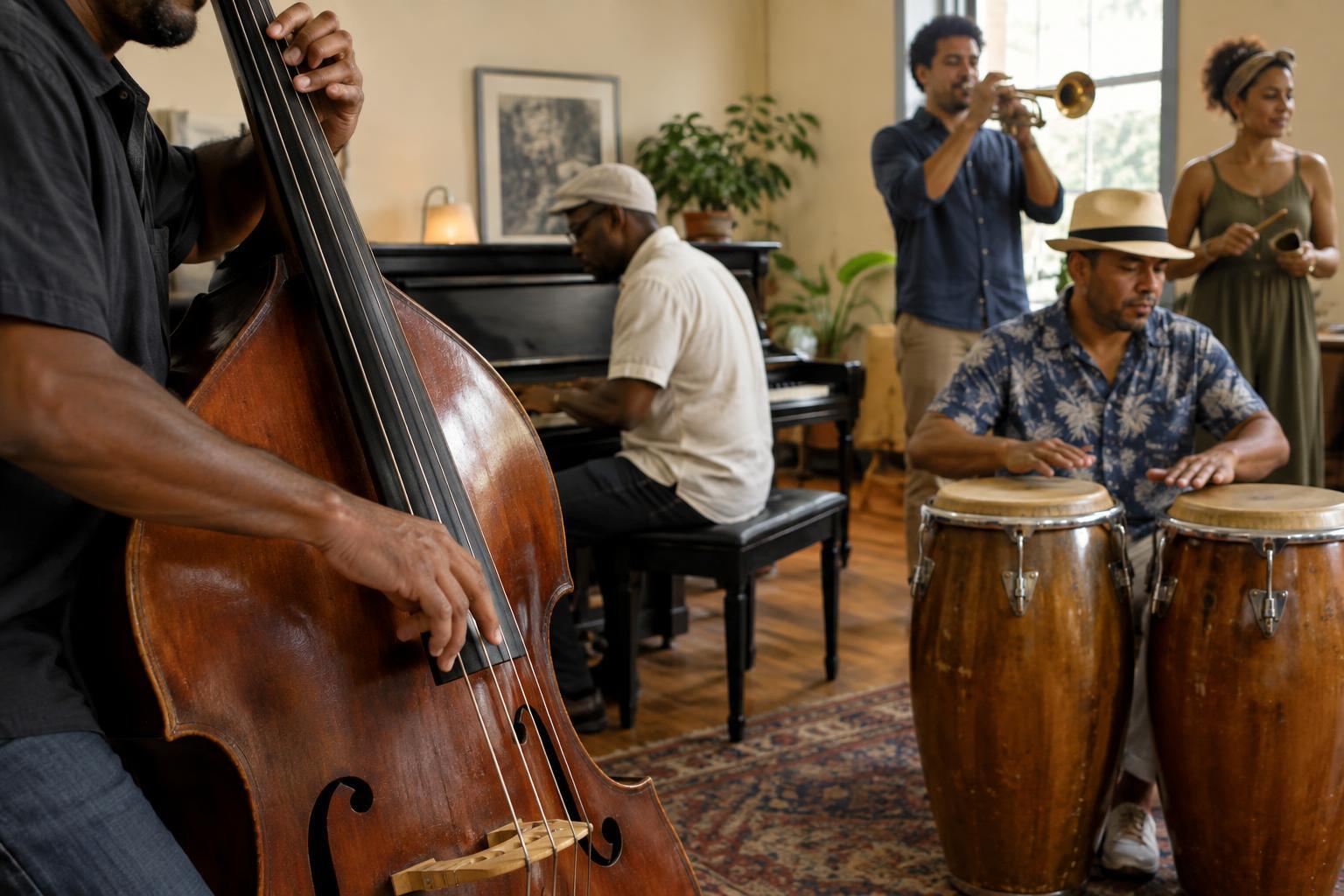
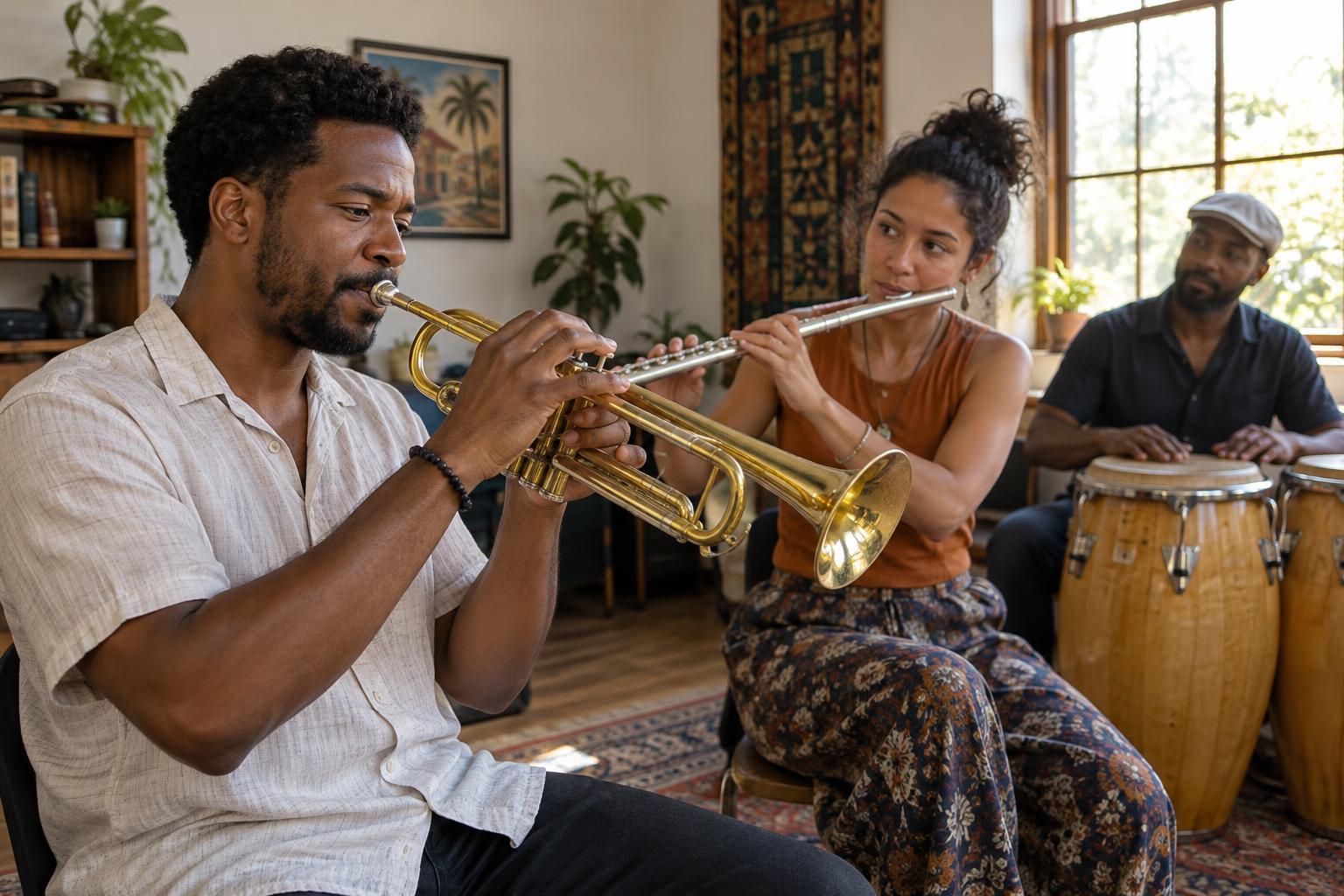
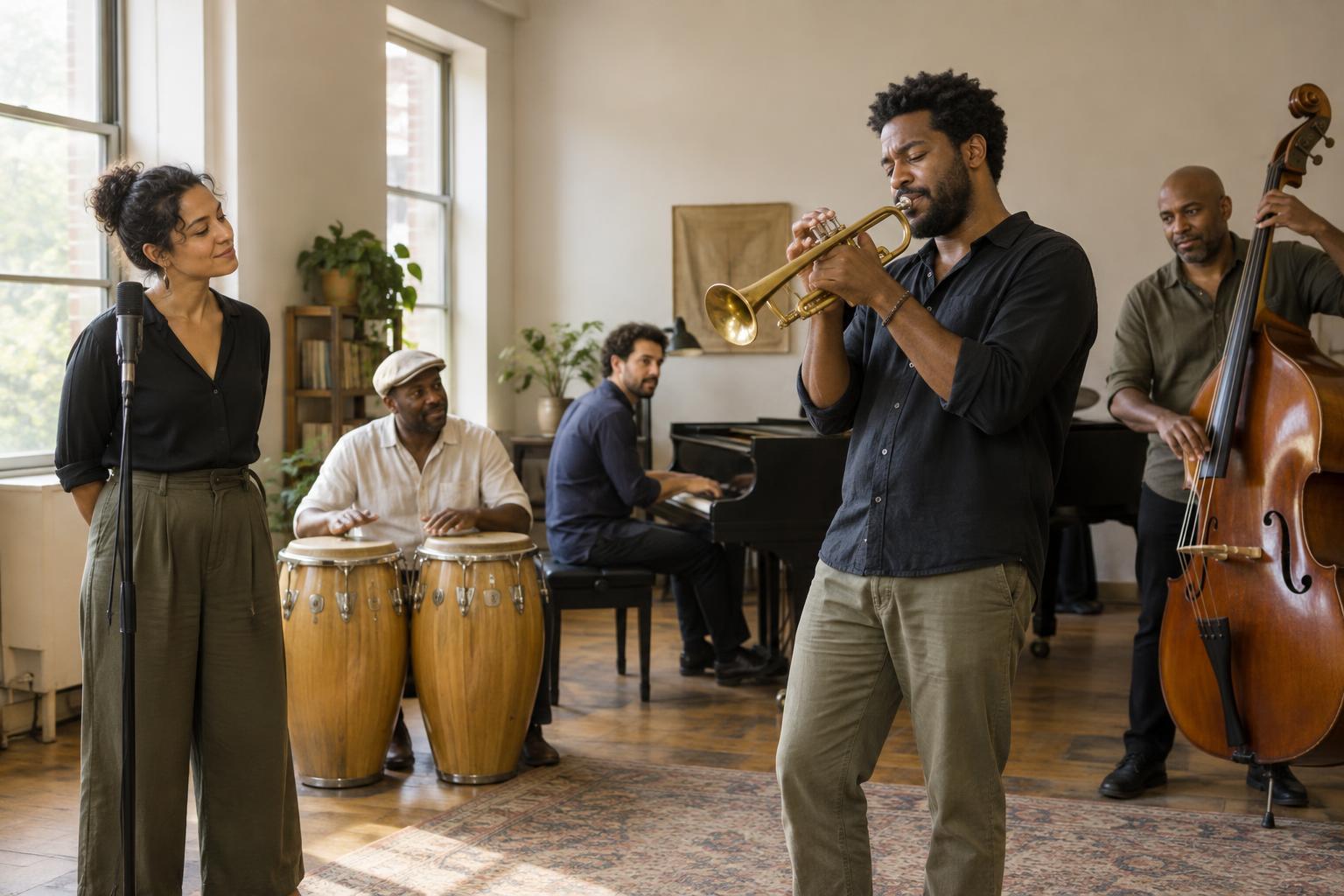
When a singer hands the spotlight to a soloist, the accompaniment has a new job. Under a vocal phrase, the band may answer particular words, leave room for breath, or reinforce the shape of a chorus. A horn, piano or percussion soloist may instead build an idea over several cycles. The ensemble still needs to sound like one group, but it can offer a steadier frame and respond to the soloist’s developing phrases.
Listen first for the moment of transfer. A singer might finish a line, a chorus might repeat a short response, or a bandleader might give a cue. These are musical signals, not merely announcements of who plays next. A clean handoff lets the new lead voice enter without competing with the tail of the vocal phrase. In a working arrangement, the band can decide whether that opening should feel spacious, emphatic or almost seamless.
Keep the groove recognizable while making room
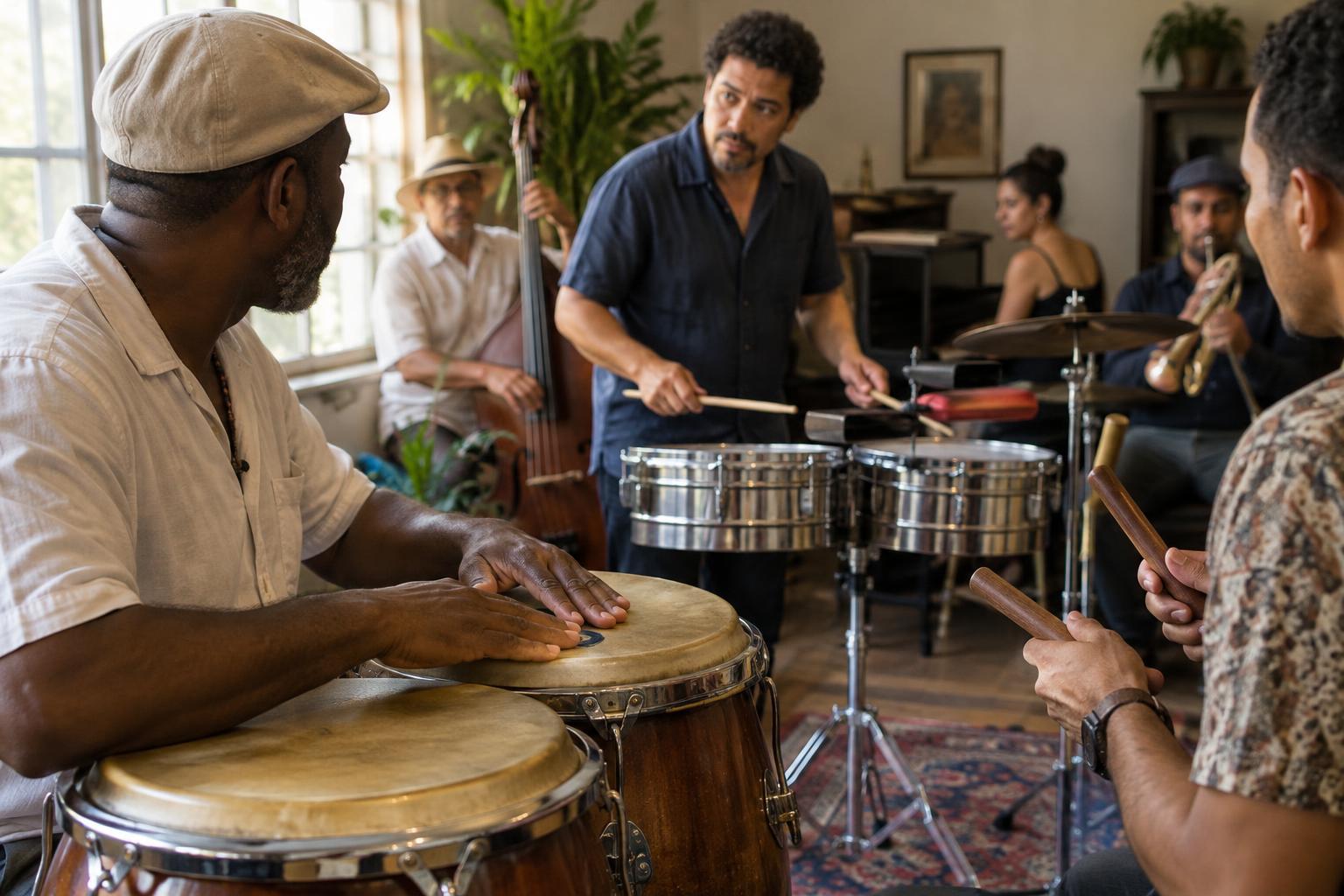
In many Afro-Cuban dance-music settings, recurring parts from bass, piano and percussion give the soloist a reliable place to stand. A bassist may keep a familiar tumbao, while a pianist repeats a montuno rather than introducing a new figure every cycle. Percussionists can maintain the pulse and the character of the established groove. Consistency is not a lack of imagination: it makes departures by the soloist easier to hear.
The ensemble can create space without thinning everything at once. A pianist might omit a few upper notes if a horn solo occupies that register. A horn section that answered the singer may wait longer before playing behind the soloist. If the soloist is a percussionist, the other players might simplify their accents so the featured instrument’s sound and phrasing remain distinct. Which choice works depends on the tune, the instruments and what the soloist is actually playing.
Let responses follow the phrase, not crowd it
Call and response can carry a vocal section into a solo section, but the response may need to change. A chorus that repeatedly answers a singer’s fixed line can become an effective backdrop for improvisation. It can also become crowded if the soloist wants to play across its entrance. Rather than assuming every gap needs filling, backing voices or horns can choose a short, recognizable response and leave enough silence for the soloist’s next idea.
Clave can help the band hear how phrases fit within the larger rhythmic cycle. It is not a command to place every accent on the same beats, nor should players switch the orientation of an established arrangement simply because the singer has stopped. A useful question is whether a new background figure feels connected to the tune’s existing phrasing. If it obscures the soloist or makes the groove feel unsettled, simplify it and listen again.
Build intensity through choices, not volume alone
A solo often develops in stages. The accompaniment can begin with a restrained texture, then add a response, a stronger percussion layer or fuller ensemble hits as the soloist’s ideas grow. In an ensemble that uses a bell pattern for a more driving passage, its entrance can mark a shift in energy. That effect is clearest when the players agree on the cue and when the added layer serves the musical arc rather than covering it.
Dynamics matter alongside density. A busy figure played softly can still interfere with a quiet solo, while a brief, strong accent can clarify a phrase. Watch how the soloist reacts: do they answer a band hit, lean into the groove, or pause when the ensemble opens a space? Those reactions can guide the next cycle. The most helpful accompaniment is neither passive nor constantly assertive; it participates while allowing the featured voice to remain legible.
Practice hearing the transition
Choose a recording with a clear move from singing to an instrumental solo. On the first listen, follow only the lead: notice where the final vocal phrase ends and how the soloist enters. On the second, follow one accompanying part, such as bass, piano or a percussion instrument. Does it stay the same, become simpler, or change at a cue? On the third, listen for responses and moments of silence. You do not need to name every pattern to hear how the parts share space.
For a group exercise, play a short, repeating groove and alternate between a sung or hummed phrase and an instrumental improvisation. Keep the first handoff simple: let the accompaniment continue unchanged for two cycles. Then try one deliberate adjustment, such as shortening a keyboard figure or delaying a horn response. Record both versions if possible. Ask whether the soloist’s entrance is clearer, not merely whether the second version contains more activity.