Start with steps, but let the music lead
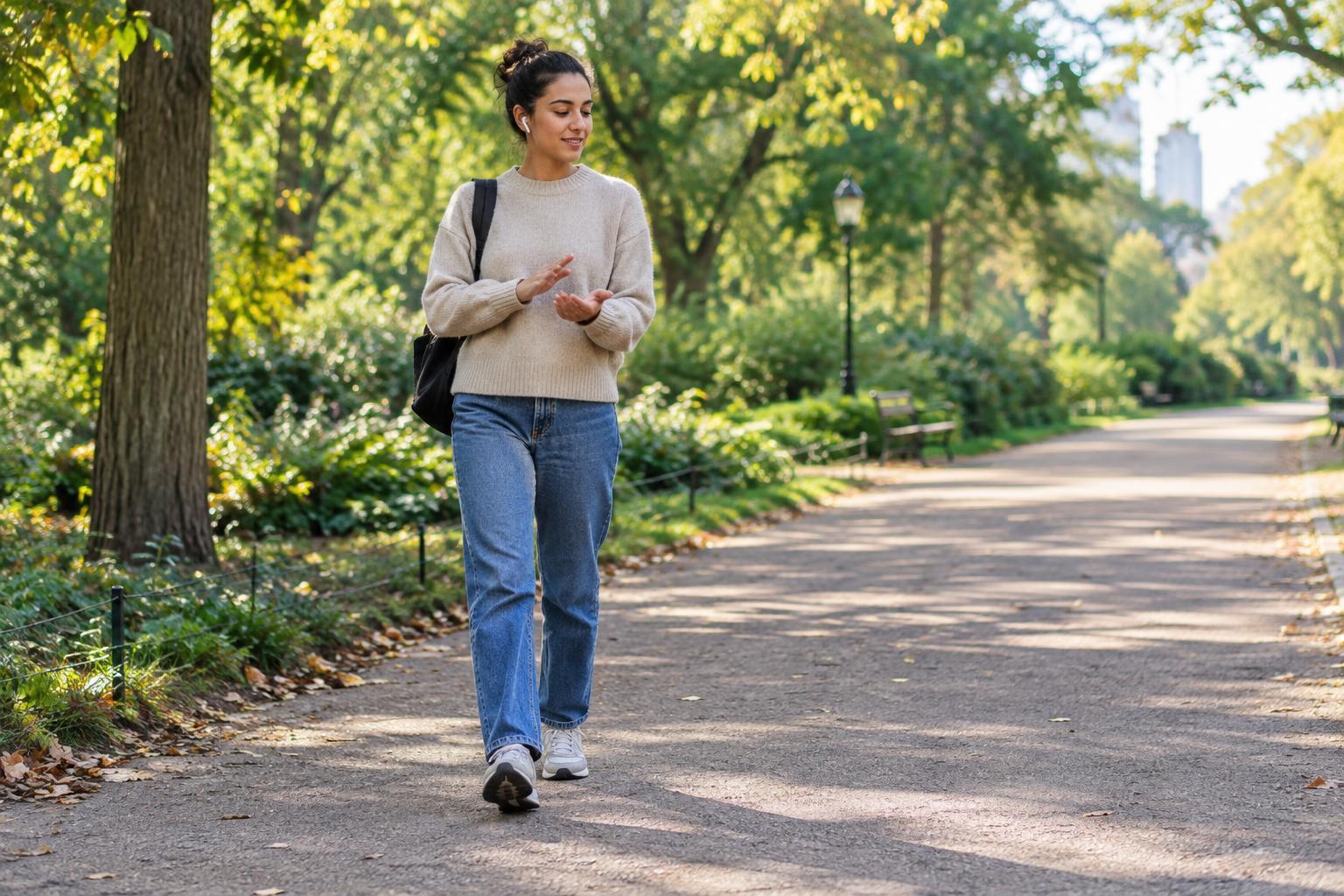
You do not need an instrument or a practice room to work on rhythm. Walking offers a repeated motion that can help you notice how musical events relate to one another. It is a reference, though, not a metronome: your pace may change with the ground, traffic or conversation. The aim is to pay closer attention to the music, not to force every recording into the speed of your feet.
Begin with a piece whose pulse you can follow comfortably. As you walk, listen for a recurring beat and notice whether your steps tend to land with it. If they do not, resist the urge to march in time immediately. Try marking the beat with a quiet finger tap instead. This separates the beat you hear from the motion you happen to be making. If walking divides your attention too much, stop in a safe place and continue the exercise while standing.
Hear what happens between your steps
Once you can follow a steady pulse, listen between its beats. A shaker, a guitar strum or a sung syllable may arrive while your finger is raised rather than when it taps. Keep the tap even and notice where the other sound falls. This gives you two things to track: a steady reference and the rhythm that moves around it.
For a simple exercise, tap four evenly spaced beats and say “and” halfway between each pair: “one and two and three and four and.” Tap only on the numbers at first. Then try a soft clap on one of the “ands” without moving the taps. Finally, omit the spoken counting while keeping the same spacing in mind. If the clap pulls your tapping out of time, slow down or return to counting aloud. Accuracy matters more than speed.
Not every musical passage divides its beat in the same way. If the “ands” seem to fight what you hear, set the exercise aside and listen for how that particular passage groups its sounds. Counting is a tool for testing your hearing, not a rule you must impose on every groove.
Follow a phrase instead of chasing every sound
Individual notes can be busy, but phrases give you a longer span to hear. Choose one recurring event in a recording, such as the return of a sung line or a familiar bass figure. Each time it returns, make a small gesture with one hand. Can you feel the beats continuing through the space before that return? This exercise helps you stay oriented without needing to identify every percussion sound.
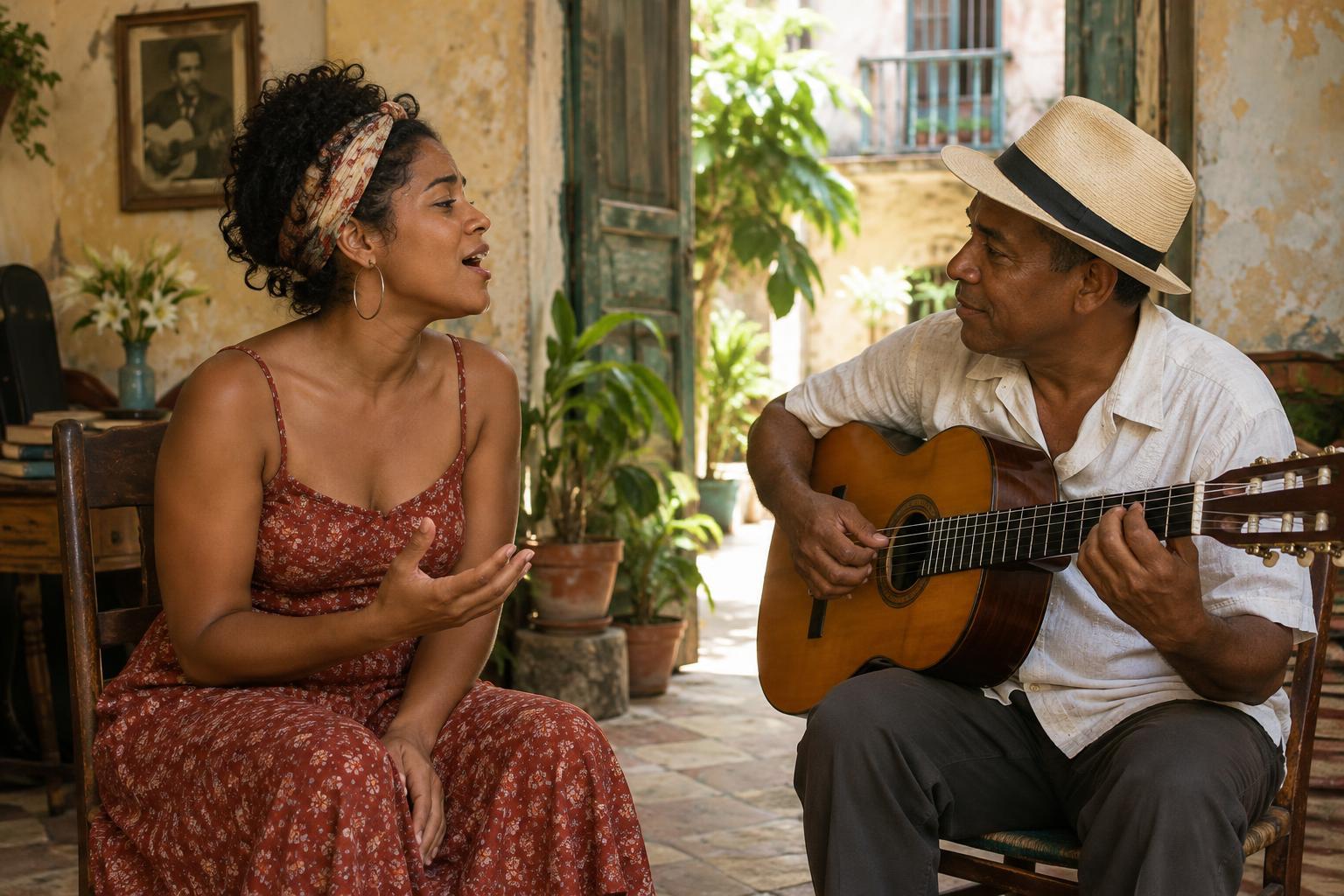
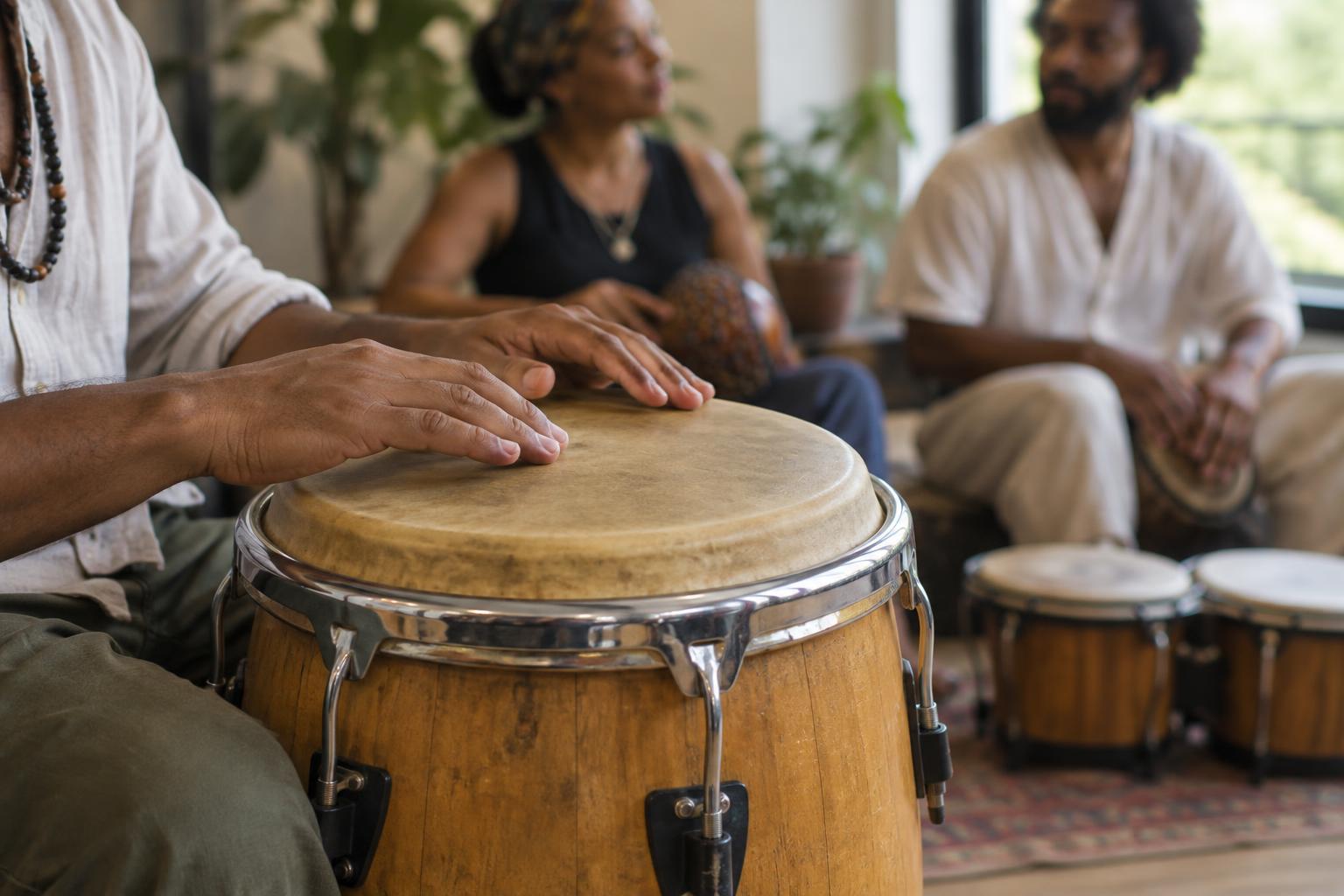
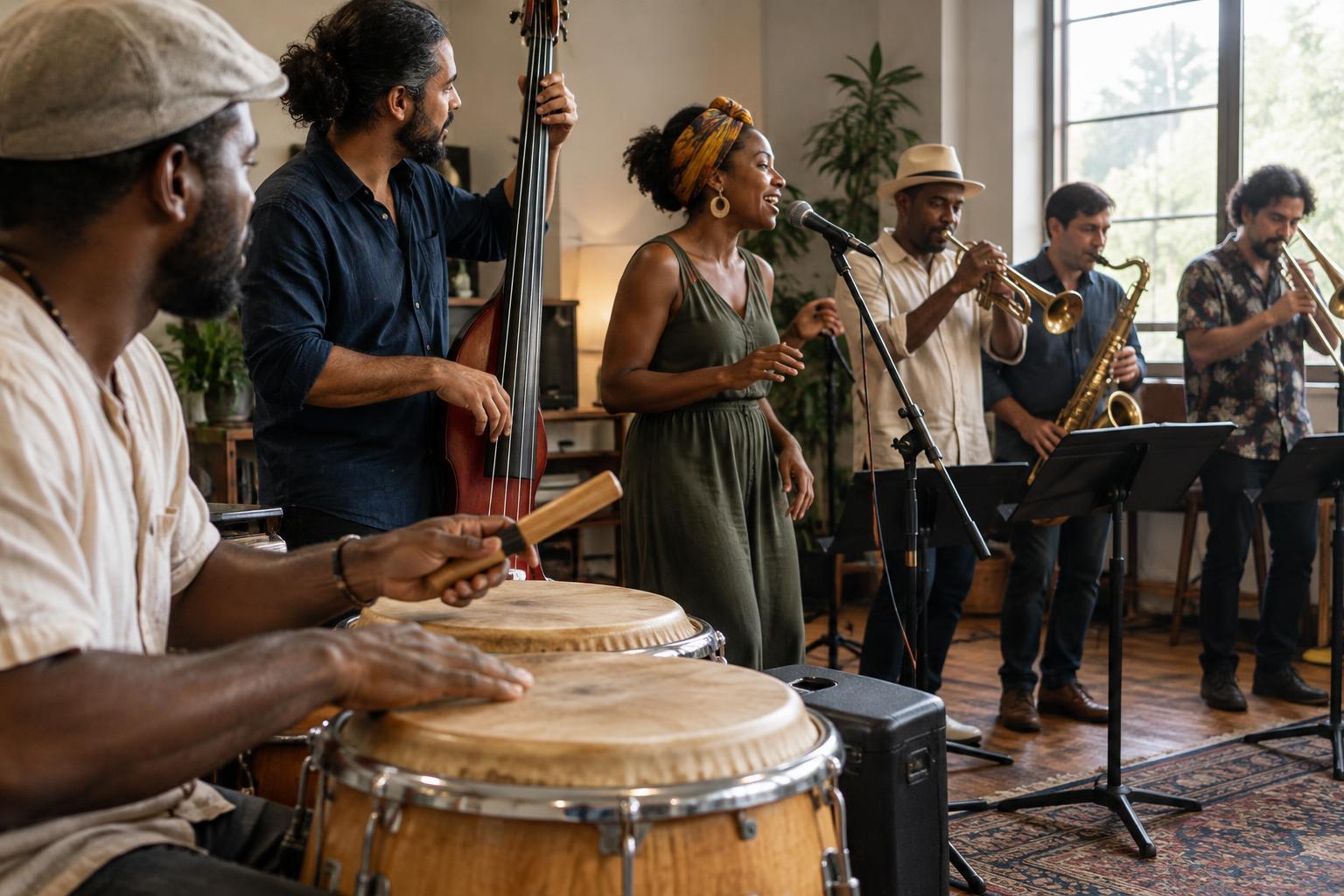
In music shaped by Afro-Cuban traditions, a clave pattern may provide an important point of orientation, but it is not always played explicitly or easy to isolate. Avoid assuming that the loudest instrument states the whole pattern. Listen to how parts relate across a repeating span, and treat any counting you try as a way to ask a question of the music. If a pattern remains unclear, listening again is more useful than assigning it a name too soon.
You can also practice without a recording. Tap a steady pulse, clap a short pattern, leave a little space and repeat the pattern. Keep the pulse going through the space. Notice whether the repeated phrase returns where you expected. This is a small way to practice musical memory as well as timing.
Make a portable routine that stays manageable
A brief routine can be enough: spend a little time finding a pulse, then notice one sound between beats, then follow one phrase as it returns. Work on one question at a time. If you lose your place, listen for a reliable return rather than tapping harder. Rejoining the music calmly is itself a useful skill.
Keep the practice appropriate to your surroundings. In public, finger taps can replace claps; outdoors, keep the volume low enough to remain aware of what is around you. You can use the same exercises while seated if walking is uncomfortable or distracting. For more browsing beyond music before taking practice outside, explore Travel Accessories · Trail and Thread for ideas about what to carry and Outdoor Skills · Trail and Thread for outdoor skills.
When you return to an instrument, try the same listening task before playing. Find the pulse, hear a sound between beats and wait for a phrase to come back. Portable practice cannot replace playing with other musicians, but it can help you bring more deliberate attention to the rhythms you already hear.