Hear the song beneath the recording
Choose two recordings of the same song and listen to each once without pausing. What remains recognizable: the melody, lyric, harmonic pattern or a recurring rhythmic phrase? Those shared elements give you a starting point. An arrangement is the set of decisions about how performers present that material, including who plays, when they enter, what they repeat and what they leave open.
Resist deciding which version is better on the first pass. One may invite dancing through a steady pulse; another may draw attention to the words through sparse accompaniment. Neither approach changes the identity of the song in exactly the same way. Write one sentence about the feeling and motion of each recording, then listen again to find the audible choices behind your impressions.
Follow the pulse and the spaces around it
Begin your second listen by tapping the main beat. Notice whether the two recordings feel different in speed, and then ask what else affects their energy. A busy part can make a moderate tempo feel urgent, while long notes and open spaces can make the same pulse feel unhurried. Listen for percussion, bass, chords and melody as separate layers. Which layer keeps time most clearly? Which one plays around the beat?
In an Afro-Cuban setting, it can be useful to listen for how parts relate to a repeating rhythmic framework, including clave where it is part of the music. Avoid assuming that every recording states clave on an instrument or follows one interchangeable pattern. Instead, notice recurring accents and the way bass, percussion and melodic phrases answer or support them. If you cannot identify the organizing pattern confidently, describe what you hear rather than assigning it a label.
Notice who carries each musical idea
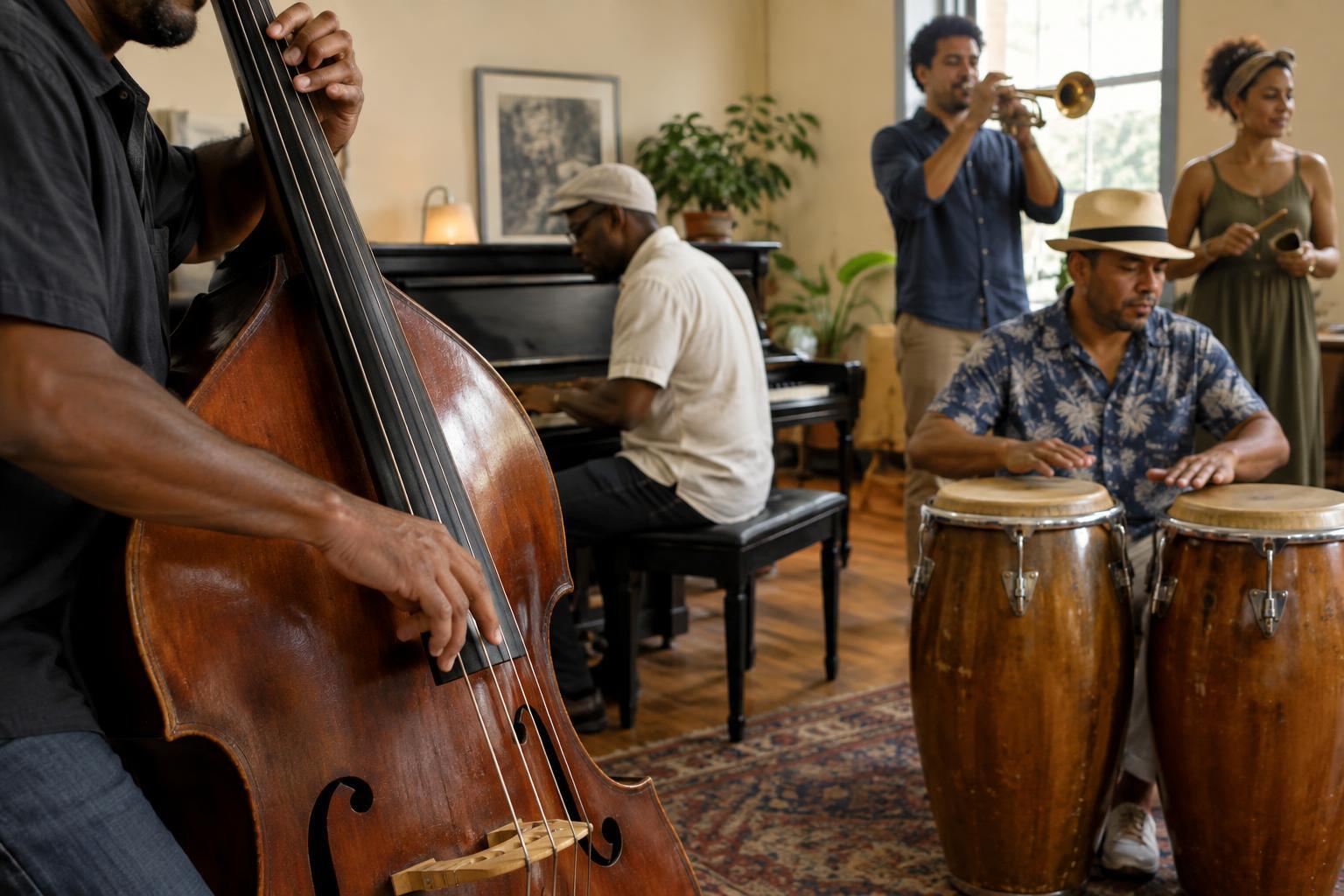
A comparison becomes revealing when you track a single idea across both recordings. Perhaps the opening melody is sung alone in one version but doubled by an instrument in the other. Perhaps one arrangement gives the bass a short repeating figure while the other lets it move more freely. These choices change how much attention the melody receives and how strongly listeners feel the underlying motion.
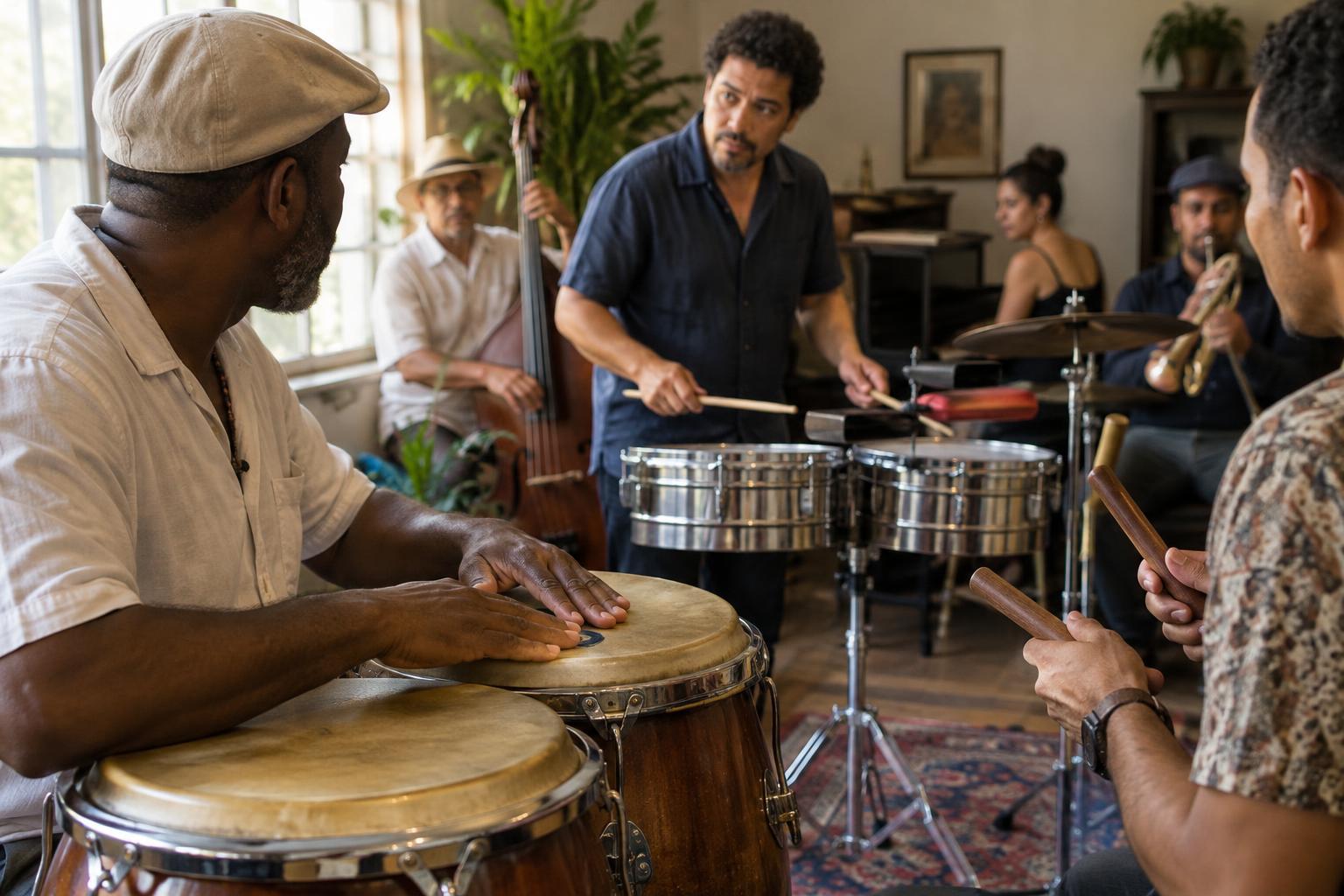
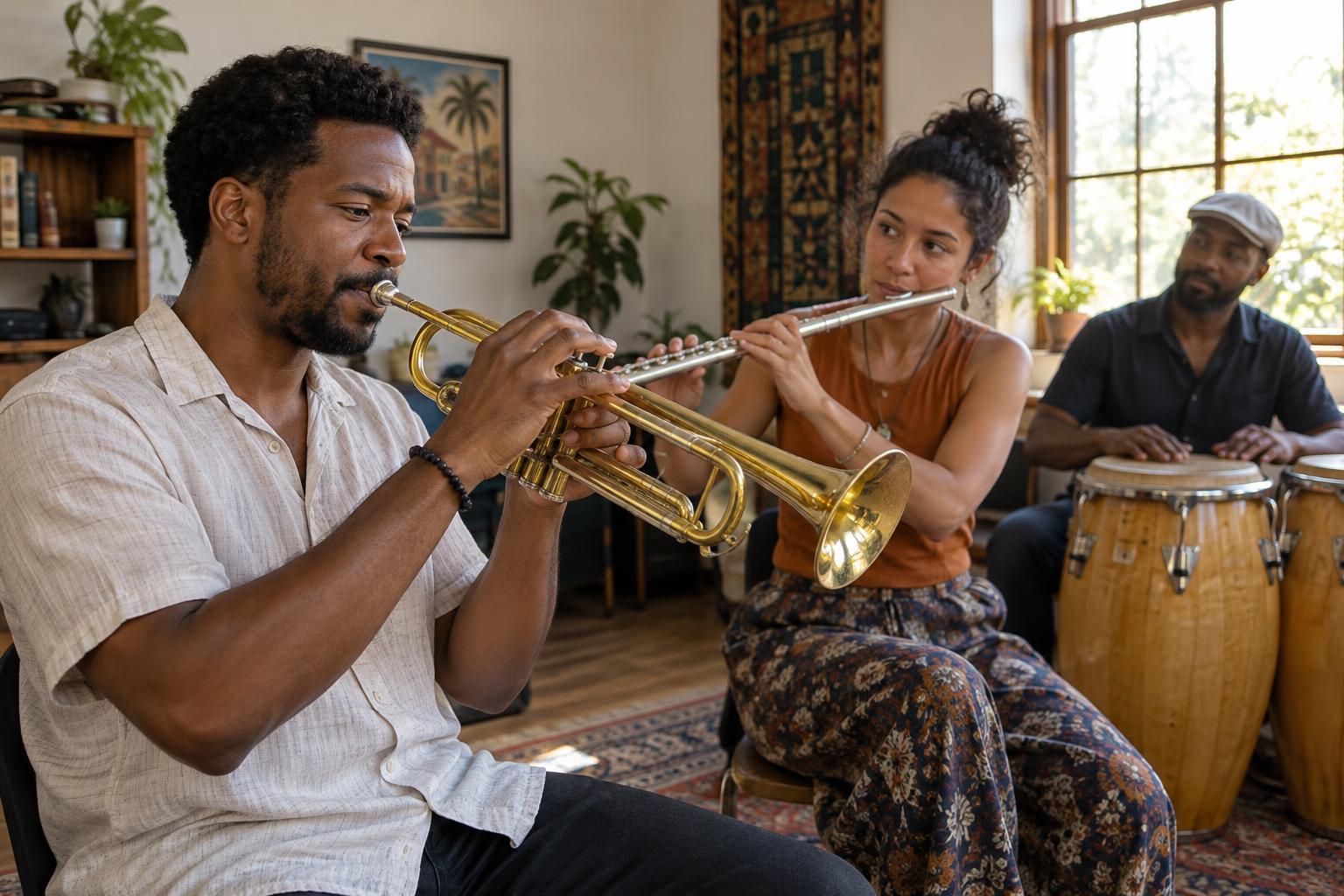
Listen, too, for call and response. A singer’s phrase might be answered by voices, horns or percussion; another recording might leave that space quiet. An answer can reinforce a phrase, add contrast or create a sense of conversation. When comparing music rooted in a particular tradition, treat those interactions as musical practices worth hearing closely, not as generic decorative effects. The performers’ timing and phrasing matter as much as the instruments they use.
Map the shape of each performance
Arrangers make decisions over the length of a recording, not only from beat to beat. Sketch a simple map of each version: introduction, first melody, contrasting passage, repeated section, ending. You need not know formal terms to notice that one recording begins with the full ensemble while another introduces parts gradually. Mark any moment when the texture thins, the rhythm changes, an instrumental passage begins or a familiar phrase returns.
Then ask what each change prepares you to hear next. Dropping several parts before a return can make that return feel larger without making anyone play louder. Repeating a section can give musicians room to vary their responses. A short ending can feel decisive; a gradual ending can keep attention on the groove. The map helps connect a local detail—such as one percussion entrance—to the larger path of the performance.
Turn comparison into a listening exercise
Make a two-column page, one column per recording. Choose three moments you can find again: the opening, a shared melodic phrase and the ending. For each, note the pulse, the most prominent sound and one thing absent from the other version. Use concrete descriptions such as “bass enters after the melody” or “voices answer the lead.” If you play an instrument, try clapping the beat while singing one short phrase from each recording. Notice how its placement feels against the accompaniment.
Finally, imagine arranging that same phrase for a small group. Would you begin with everyone playing, or leave room for an entrance? Would an answering part help the phrase, or crowd it? Comparing recordings will not produce one correct template. It gives you a practical way to hear arrangements as choices made over time—and to listen more attentively to the musicians making them.