A pattern that comes back
A rhythmic ostinato is a pattern of sounds and silences that repeats over a recognizable span of time. It might be a short drum figure, a handclap pattern, or the rhythm of a bass line. The pitches or instruments can change while the rhythm remains familiar. What matters is that the pattern returns often enough for the listener to recognize it.
Repetition gives the ear a point of reference. Once you know when a pattern is likely to come around again, you can notice what happens around it: a singer stretching a phrase, a percussionist adding an accent, or a band briefly dropping out. The ostinato does not have to be the loudest part. It can work quietly beneath more varied sounds, helping those sounds feel connected.
Why repetition can feel like motion
A groove is not simply a pattern played over and over. It emerges from how repeated parts fit together in time, including their accents, spaces, and relationship to the pulse. Imagine a steady four-beat count. Tap once on beat one, stay silent on beat two, tap on beat three, and stay silent on beat four. Repeat that two-tap pattern while counting aloud. The silences are part of what makes the pattern identifiable.
Now clap on beats two and four while keeping the taps going. Each part is simple, but together they create a fuller sense of movement. If you pause the claps and bring them back, the original tap pattern helps you find your place. That is one practical use of an ostinato: it provides continuity while another part changes.
A repeated rhythm need not sound mechanical. Players make small choices in touch, tone, and emphasis, and other parts may create tension against the pattern before meeting it again. The aim is not to make every repetition identical at all costs. It is to keep the pattern clear enough that its return means something.
Ostinatos in layered rhythm
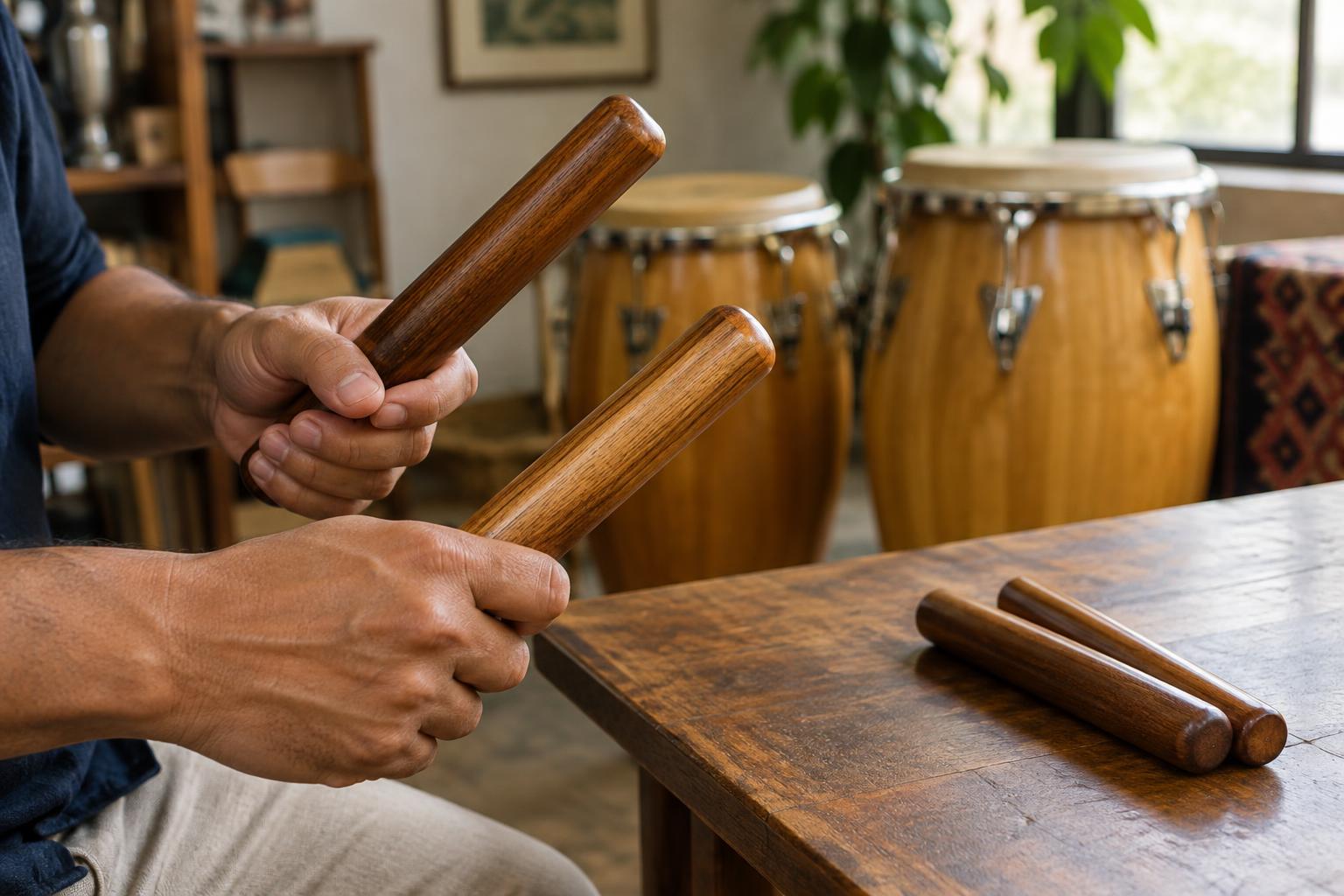
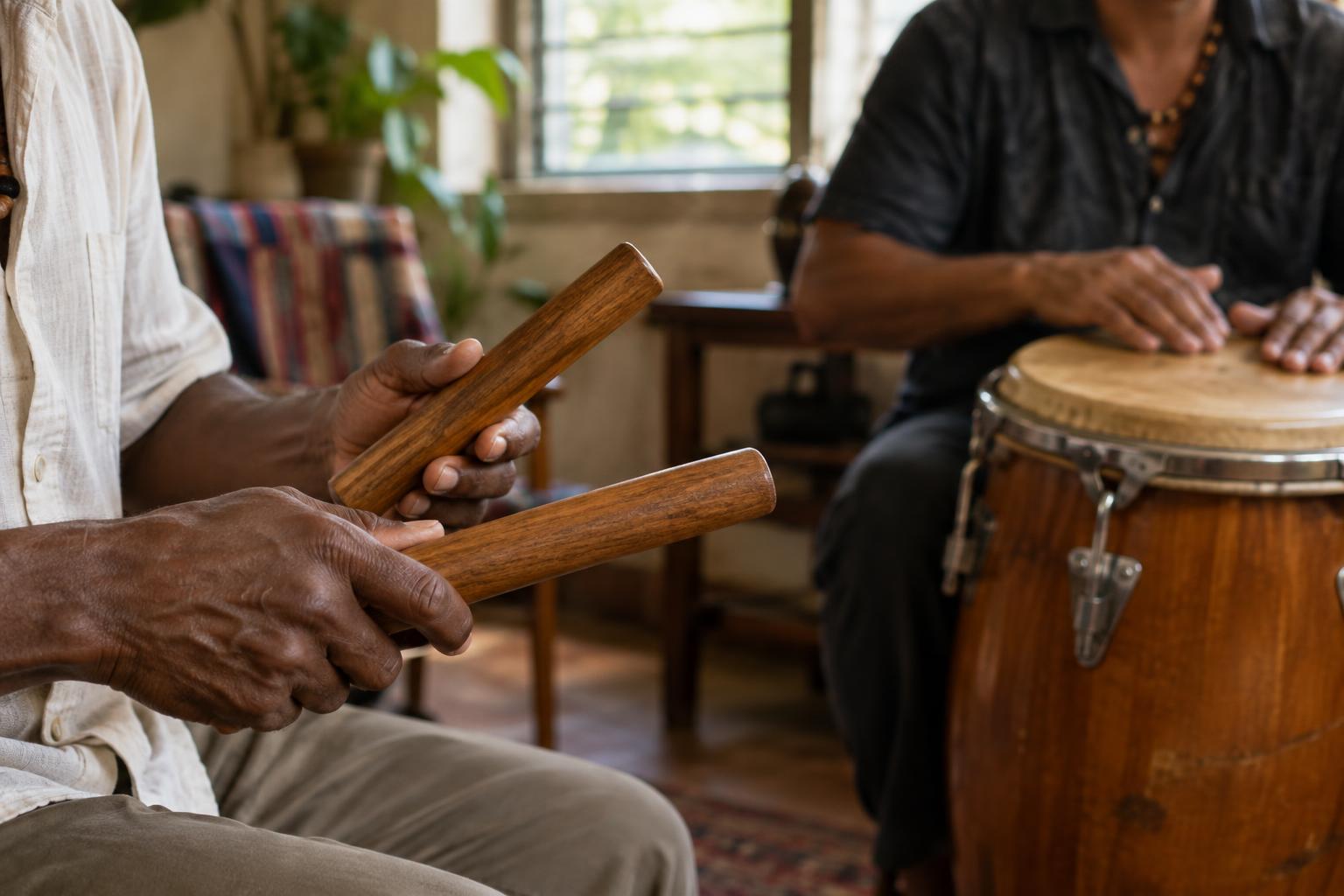
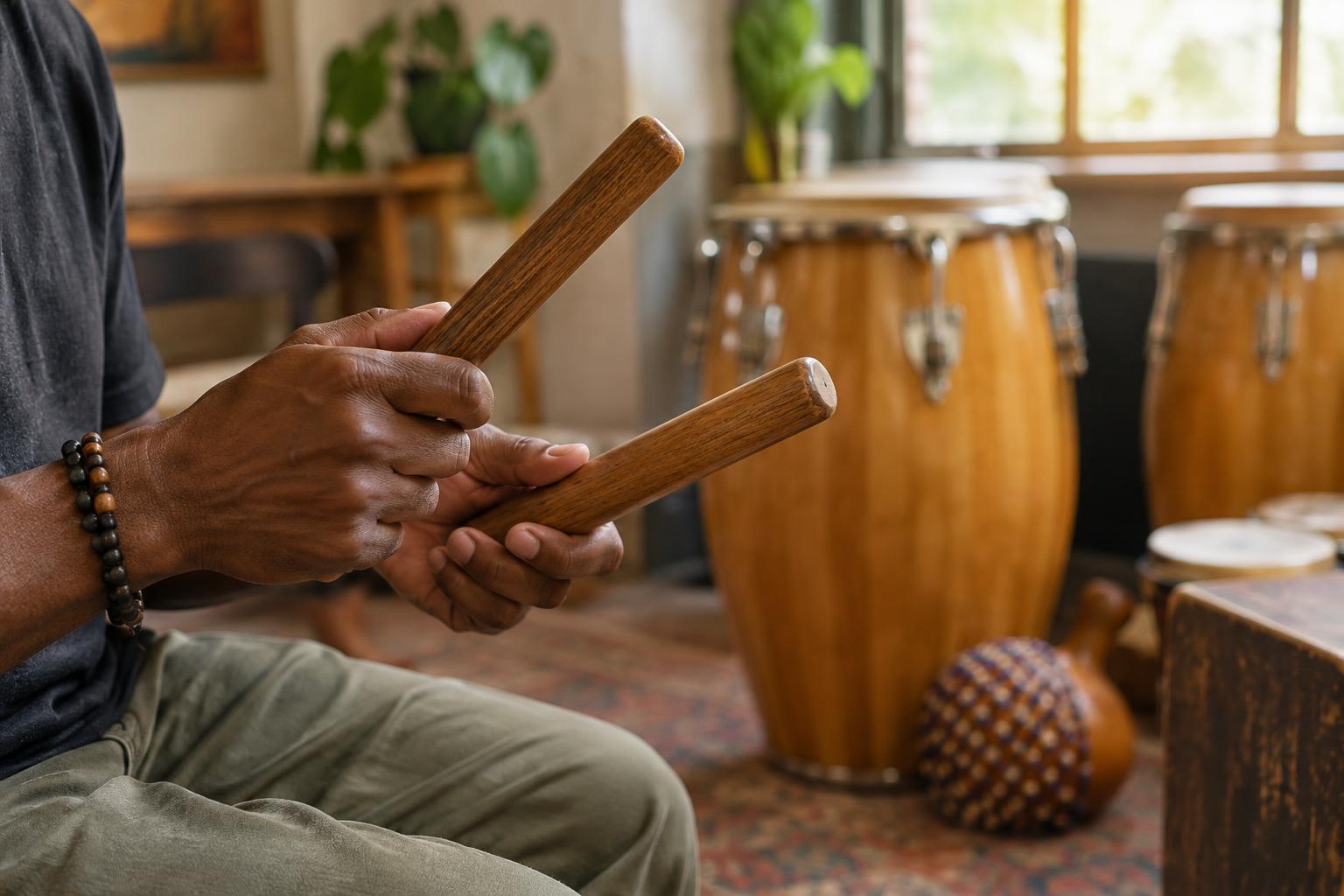
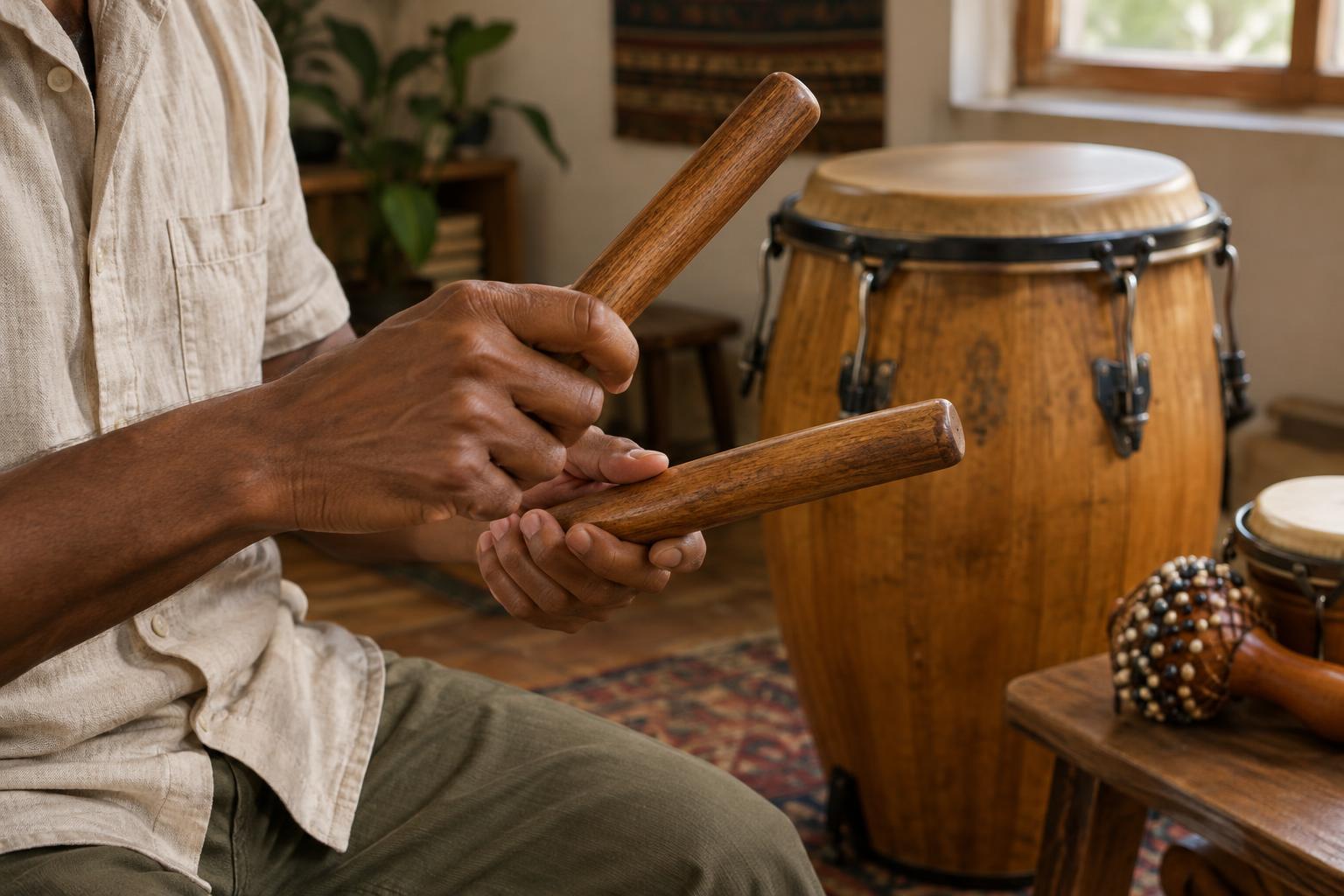
Many musical traditions use recurring patterns, but those patterns do not all serve the same purpose. In Afro-Cuban music, clave can refer to a particular organizing pattern and to the relationship other parts have with it. A clave pattern repeats, yet calling it merely an ostinato misses its guiding role in how musicians understand phrases and arrange parts. Not every repeated percussion figure is clave, and not every groove follows clave.
When listening to an Afro-Cuban ensemble, try following one recurring part without treating it as the whole rhythm. Notice where a drum, bell, bass, or voice enters in relation to that part. Does it reinforce an accent, answer it, or leave space around it? This kind of listening respects the music as an interplay of parts rather than reducing it to a single beat. If you are learning a named pattern from a specific tradition, learn its context and relationship to the other parts along with its sequence of strokes.
A short practice routine
Start by choosing a comfortable pulse and counting four beats aloud. Make a two-bar pattern: clap on beat one of the first bar and beat three of the second, leaving the remaining beats silent. Repeat it several times without stopping your count. Because the pattern crosses two bars, you have to listen for the whole cycle rather than restarting your attention at every beat one.
Next, keep the same claps and mark each beat softly with a foot tap. If the claps drift, slow down and say the counts again. Then remove the foot tap for a few repetitions while keeping the count in your head. Finally, invite a partner to play a different, simple repeated pattern, or record your own pulse and play along. Listen for both parts at once instead of trying to make one louder.
Change just one feature at a time: move a clap, add a rest, or shift an accent. Ask whether you can still recognize where the pattern begins. If not, return to the simpler version. The exercise builds a useful skill for both players and listeners: holding on to a recurring cycle while paying attention to what changes.
Using an ostinato without crowding the music
In an arrangement, a clear ostinato can make room for a melody because it offers a dependable background. Before adding notes, consider its length and register. A busy high percussion part may compete with a singer, while a sparse low pattern may leave more space. You can also vary the texture without losing the rhythm: pass the pattern between instruments, thin it out for a verse, or let it return after a brief break.
The best test is listening. Can you identify the pattern after other parts enter? Can you hear the spaces between its attacks? If the answer is yes, the repetition is doing more than filling time. It is giving the music a foundation against which change becomes audible.