What is a guajeo?
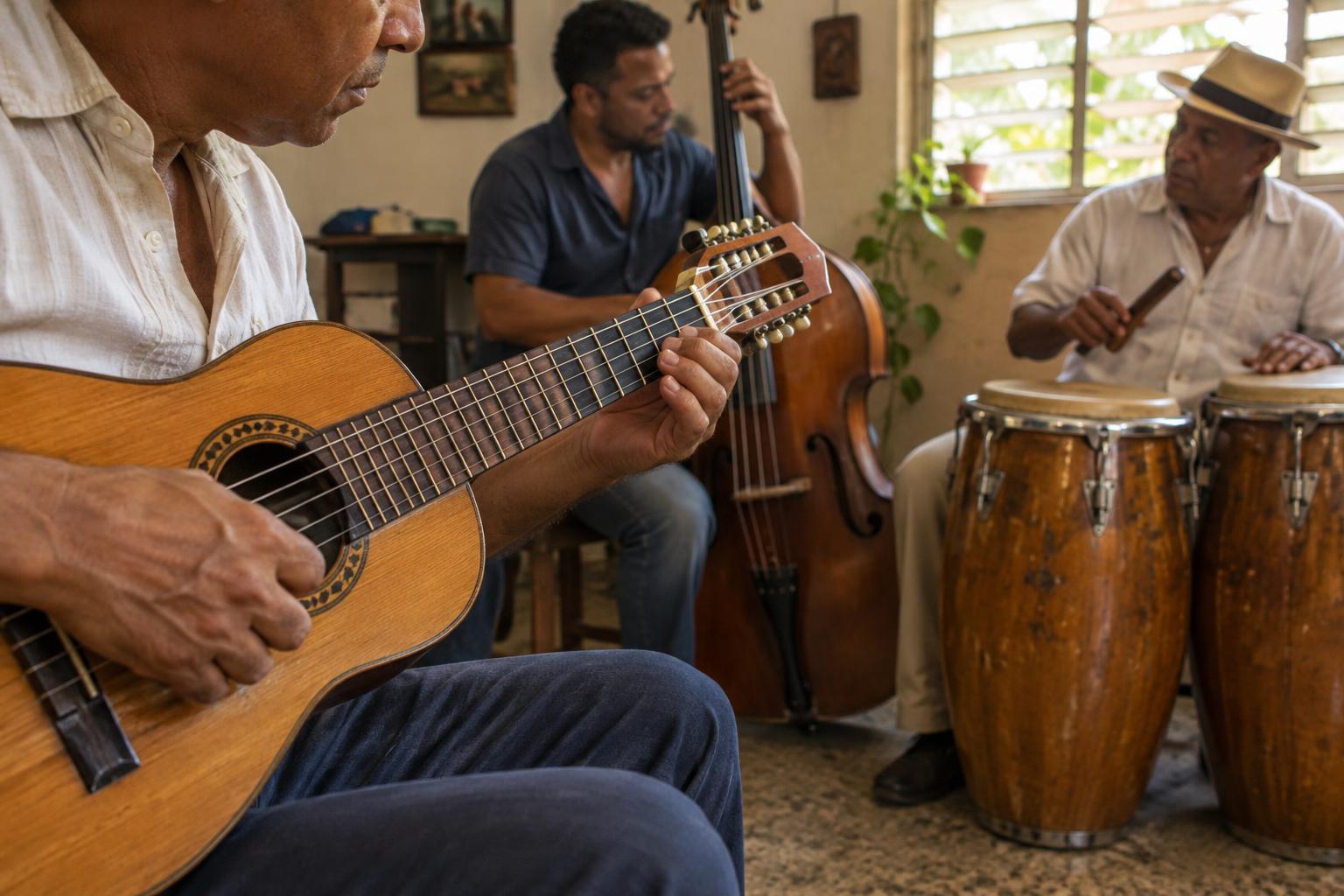
A guajeo is a short, repeating instrumental phrase. In many Cuban arrangements, a piano, tres, guitar or horn plays a recognizable figure again and again while other parts move around it. The notes may be simple, but their placement matters: a guajeo can make a passage feel active without filling every beat.
You may also hear the word montuno used for a repeating piano figure or for a section of a song built around repeated parts and vocal exchanges. The terms overlap in everyday conversation, but they do not mean exactly the same thing in every setting. For a listener, the useful starting point is to identify the phrase that keeps returning. Notice its shape, where it begins, and whether it leaves spaces for the voice or percussion.
How repetition creates motion
A guajeo does not build momentum by getting faster each time. Its repeated pattern gives the ear something stable to follow, while its accents and gaps create a sense of push and release. A note placed just before a strong beat can seem to lead into it; a rest where you expected a note can make the next entrance feel more vivid.
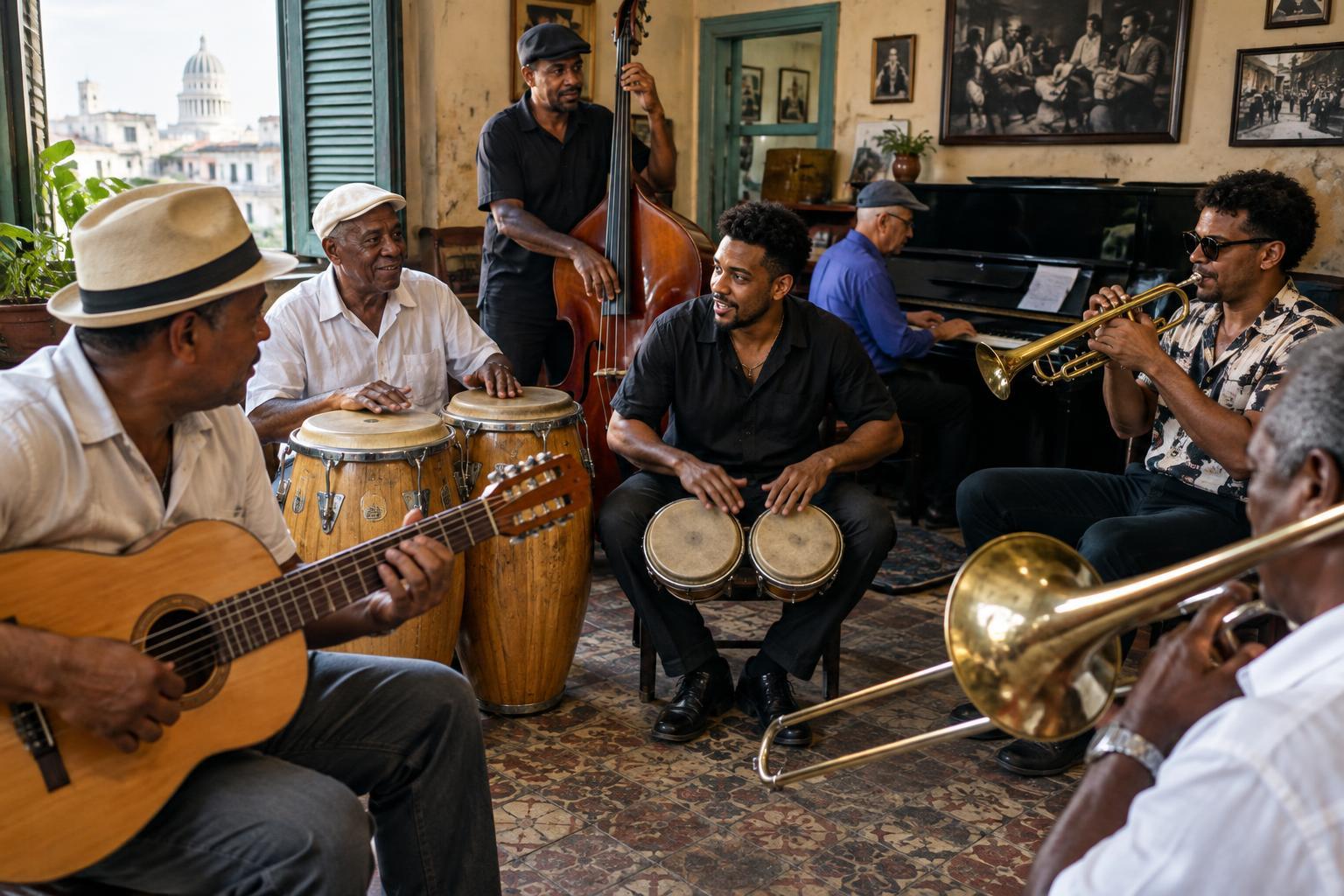
That effect grows when the guajeo meets the other repeating parts. Bass may mark a different set of points in the cycle, while percussion adds layers of pulse, accents and texture. No single part has to state every beat. Instead, musicians create a connected rhythmic picture in which each part leaves room for the others. If you listen only for the piano or tres, you may hear an insistent loop. Listen to the whole ensemble, and that loop becomes part of a conversation.
The relationship with clave
Clave can refer to the two wooden sticks and to the organizing rhythmic pattern associated with them. In much Afro-Cuban music, musicians use that pattern as a shared point of reference even when no one plays it aloud. Guajeos often make more sense when heard across the full cycle rather than as isolated snippets on a single beat.
Listeners commonly describe a clave cycle by its three-stroke side and two-stroke side, calling the orientation 3–2 or 2–3. Those labels can help you locate a phrase, but they are not a shortcut for judging every note. A guajeo can begin before the point you expect, hold a note across it, or answer it with silence. Rather than forcing a pattern onto a recording, tap a steady pulse and notice how the phrase returns in relation to the other parts.
What a guajeo does in an arrangement
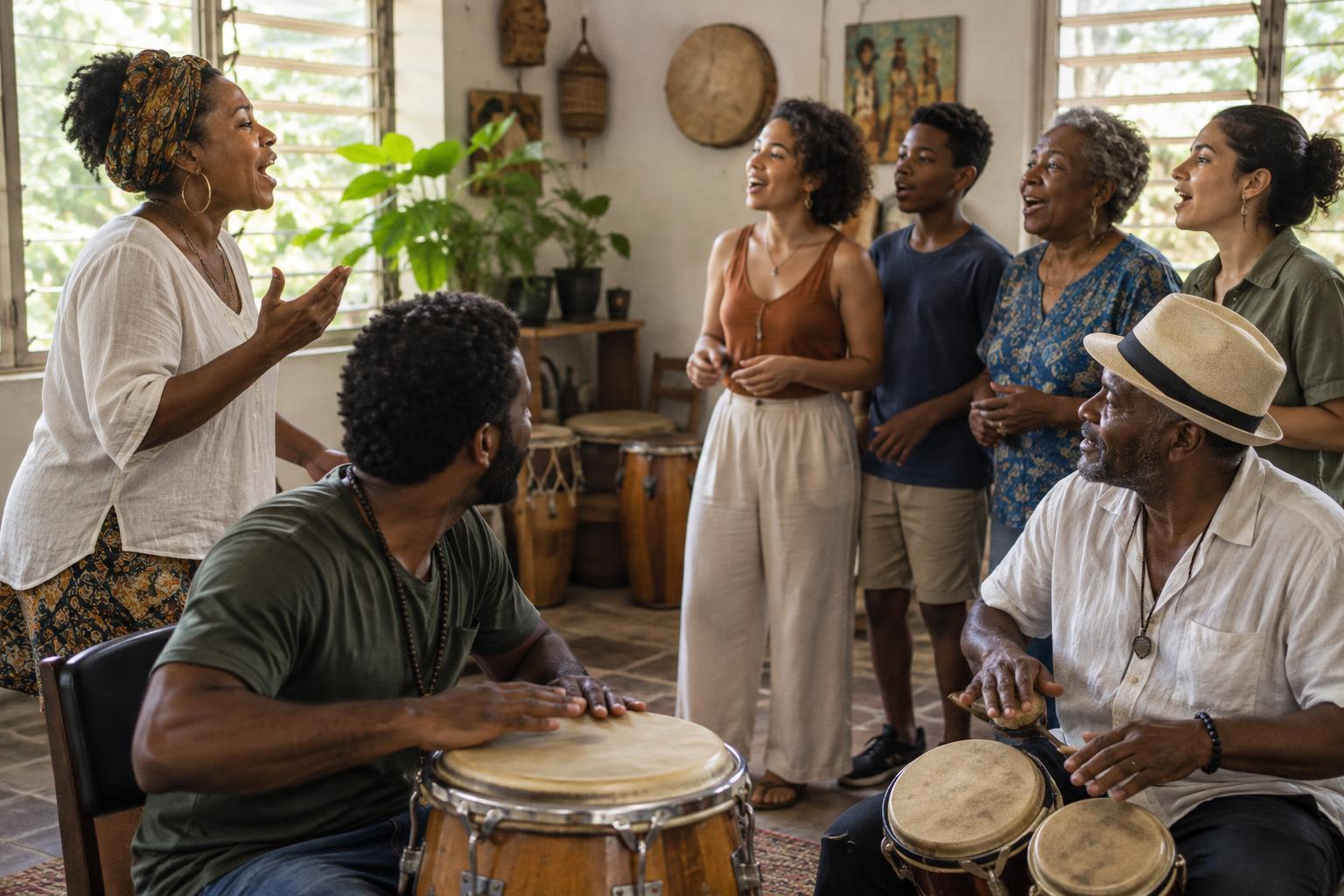
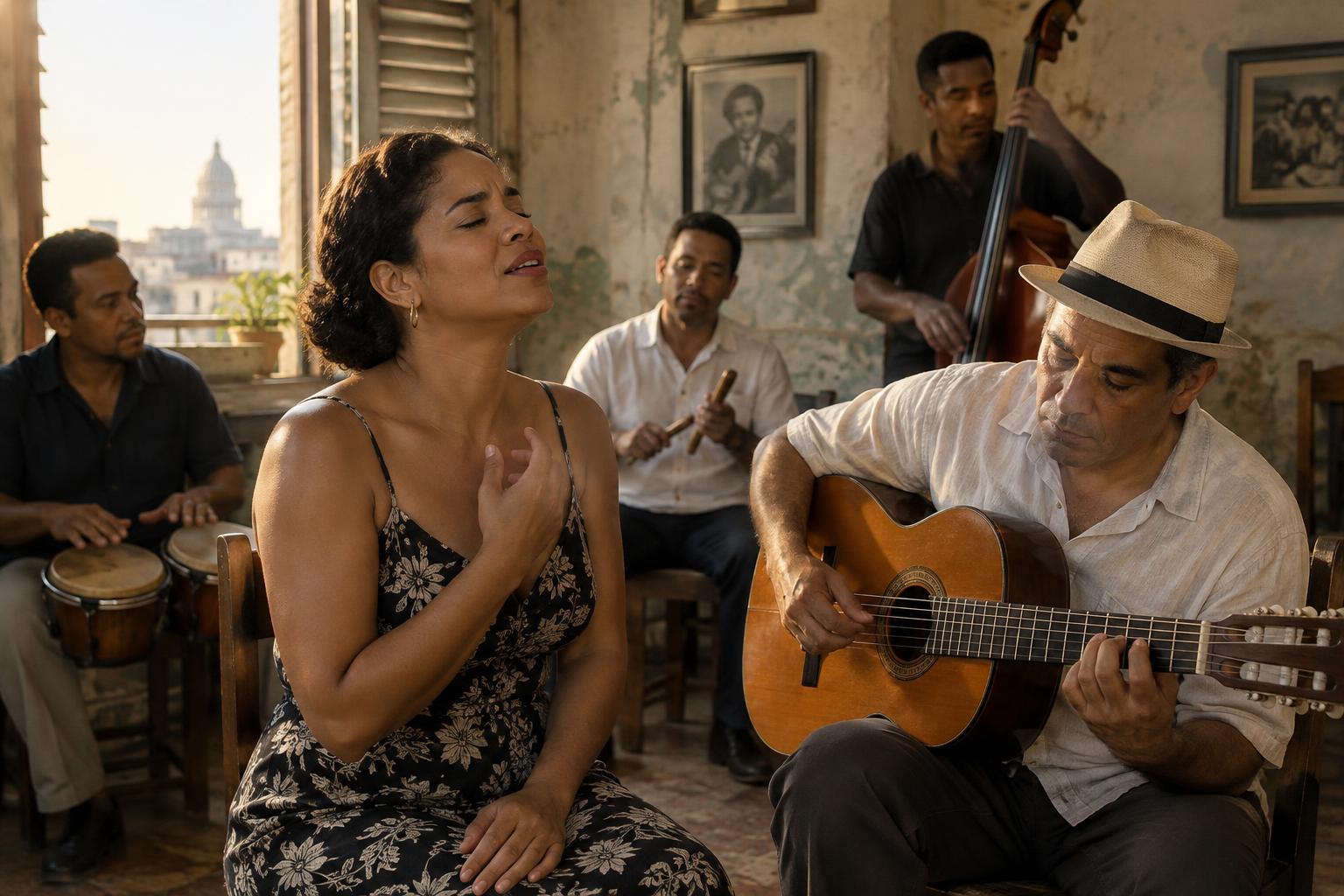
Repeating phrases can support a singer, define a section and make a transition easier to hear. During a passage with a lead vocal and responding chorus, a guajeo may provide continuity between vocal lines. When horns enter with a new figure, the arrangement can gain intensity even if the tempo stays the same. Musicians may change registers, dynamics or the number of instruments playing, so repetition does not have to mean sameness.
These choices belong to a broader Cuban musical practice shaped by generations of musicians and by the interaction of African-derived rhythmic traditions with other influences. Styles and ensembles differ, so there is no single guajeo that represents all Cuban music. Treat a pattern as part of a particular performance: who plays it, what surrounds it, and how it responds to the song all matter.
A listening and practice exercise
Choose a recording in which you can clearly hear a recurring piano, tres, guitar or horn phrase. On the first listen, follow only that phrase. On the second, tap a comfortable pulse and listen for the bass. On the third, pay attention to what changes when the singer or another instrument enters. Does the guajeo change, or does the new part change how you hear it? You do not need to identify every instrument to benefit from this exercise.
If you play an instrument, make a short two-measure phrase with only a few notes and at least one deliberate rest. Repeat it at an easy tempo while tapping the pulse with your foot. Then have a partner play a contrasting bass note or hand-percussion pattern, or record one yourself. Keep your phrase steady before trying small variations. The aim is not to imitate a tradition from a single exercise; it is to feel how a repeated part can hold its place, make space for others and help an ensemble move together.