Energy is more than volume
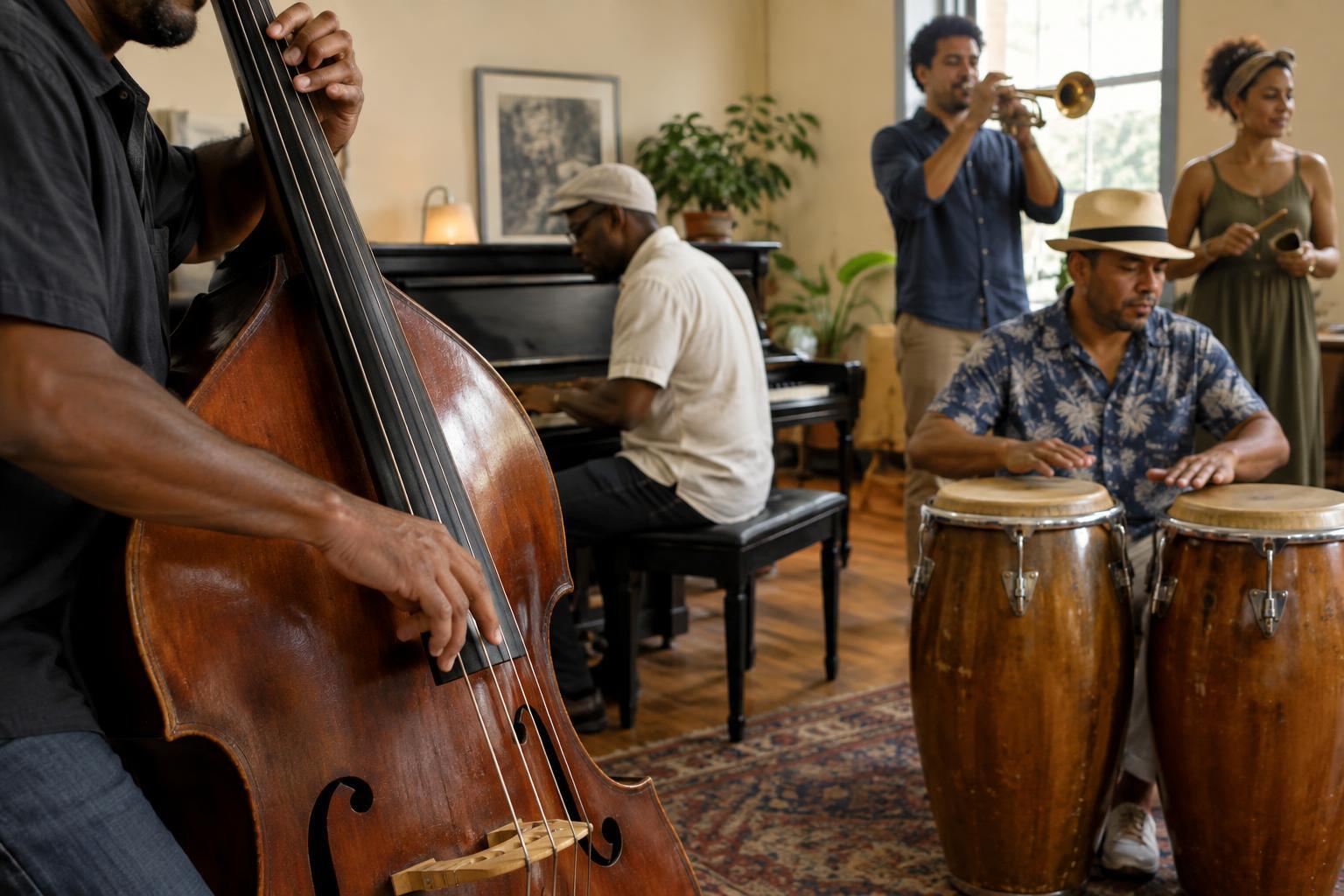
Imagine a groove that begins with a bass line, a quiet percussion pattern, and a singer. A piano enters with a repeating figure, then a bell joins, and later the voices answer the lead. The music may feel as though it is gathering force even if no one raises their volume much. What changed was the arrangement: more sounds now occupy the listener’s attention.
Density describes how much musical activity happens at once. It can increase when another instrument enters, when a part plays more frequently, or when sounds fill spaces that were previously open. Dynamics describe changes in loudness and intensity, both within individual parts and across the group. The two often work together, but they are not the same. A busy texture can be soft; a single, sharp accent can be loud. Treating them as separate choices gives an ensemble more ways to build energy.
Add activity with a purpose
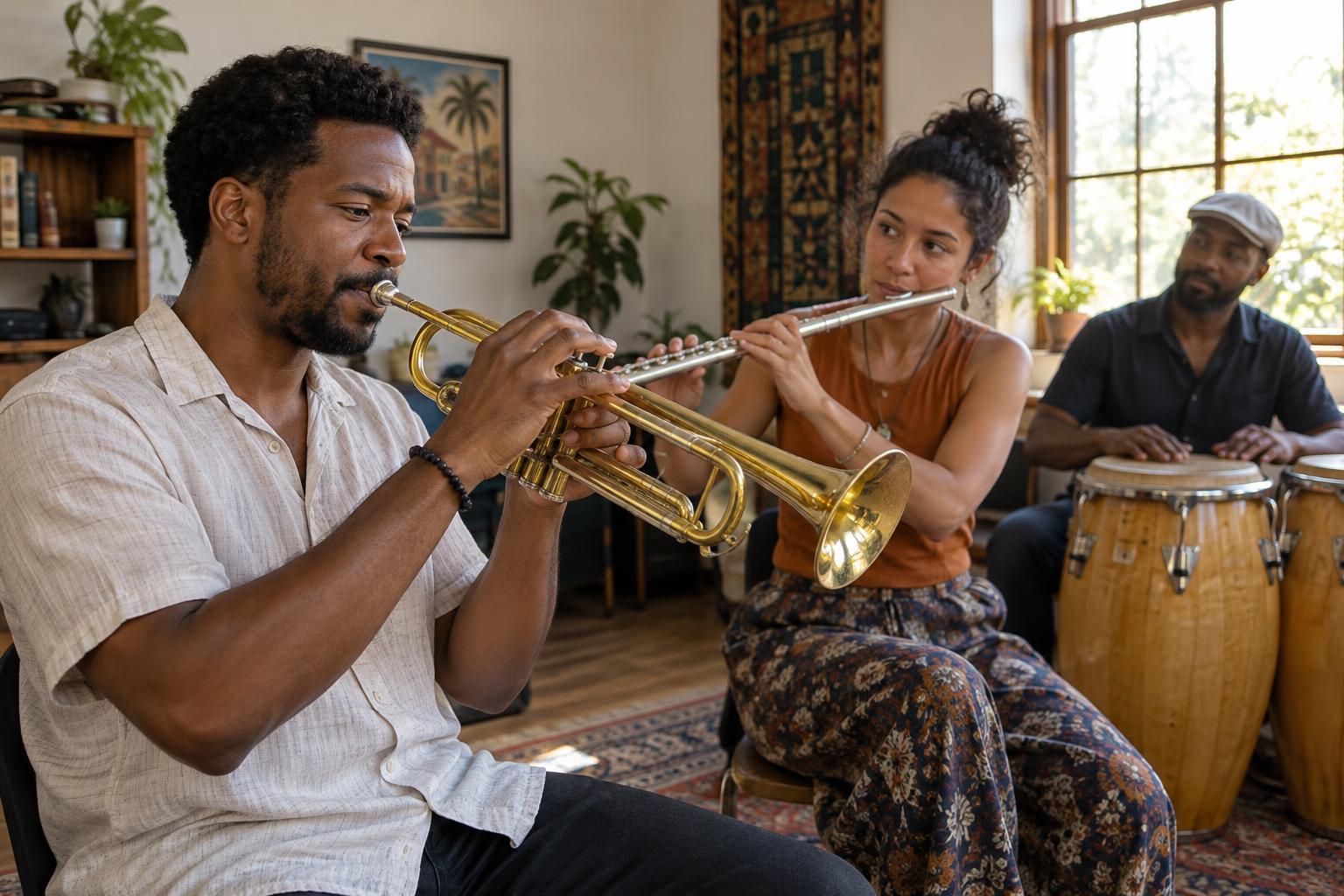
An effective build rarely requires every player to add notes. Instead, decide which kind of activity the next passage needs. A shaker might supply a steady subdivision while the bass and drum remain unchanged. A piano figure might become more rhythmically active while the percussion leaves room around it. Backing voices might enter with short responses that make the lead phrase feel more urgent. Each addition gives the listener a new point of focus.
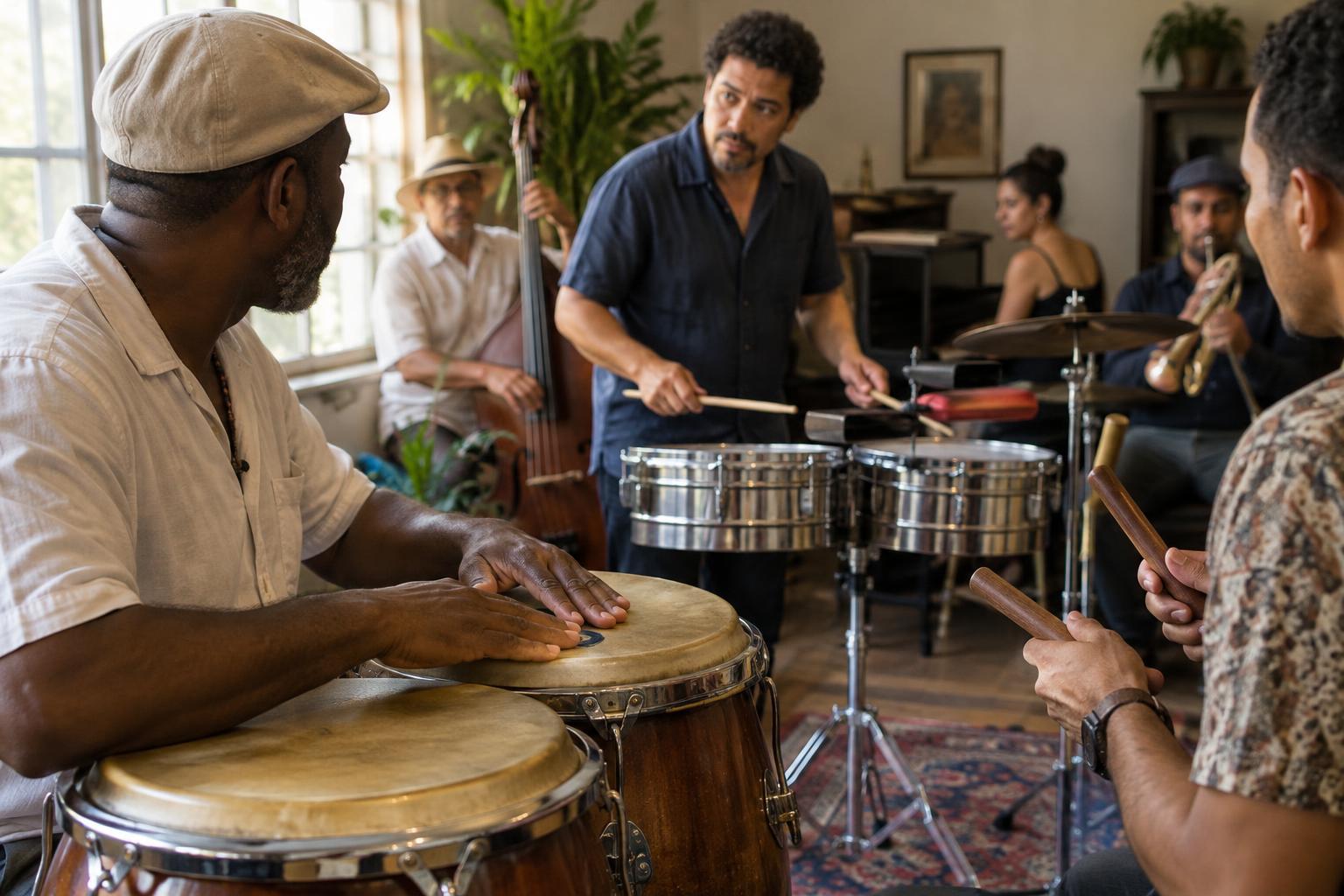
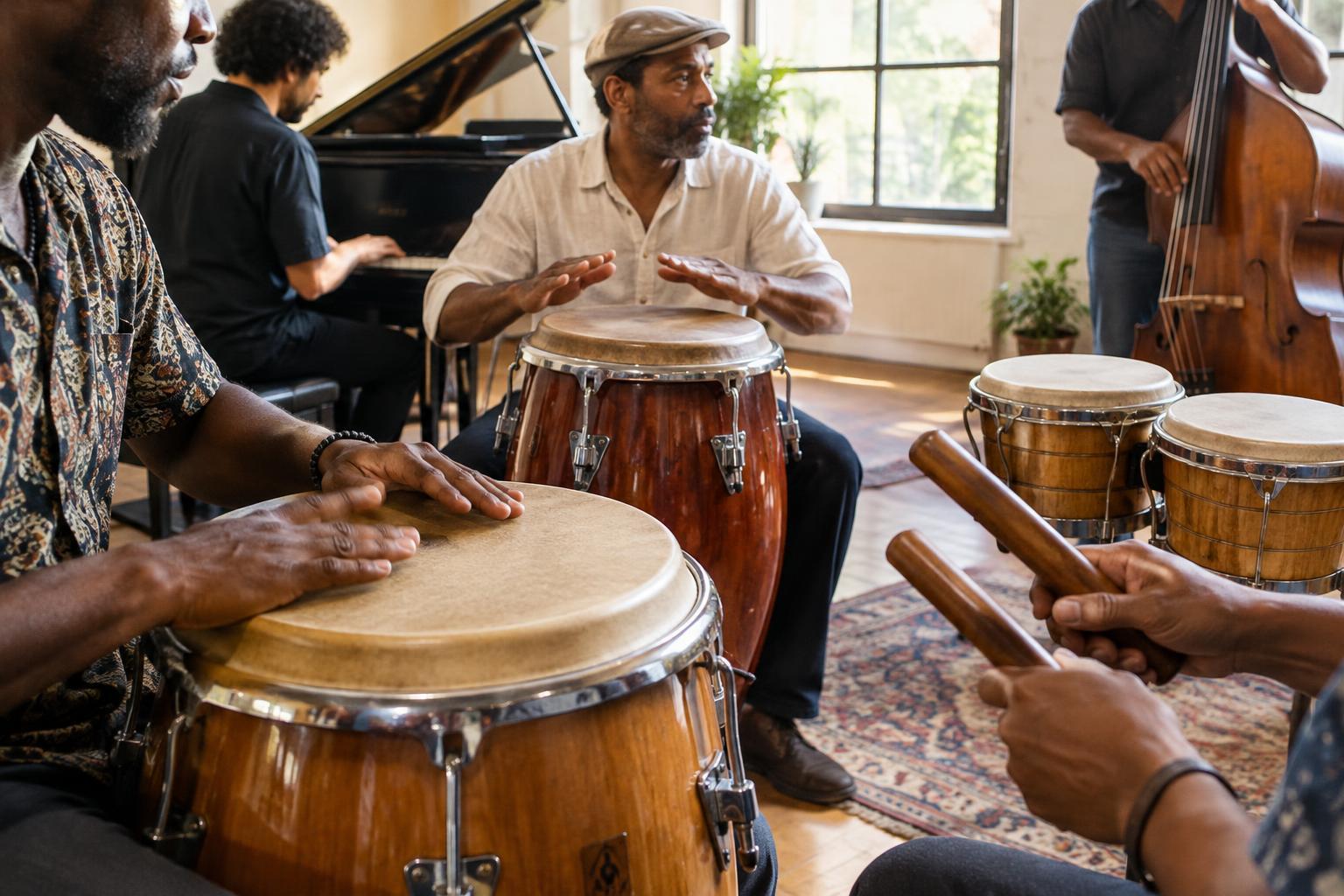
In Afro-Cuban ensemble music, interlocking parts can create considerable motion without any one musician playing continuously. A bass phrase, a piano montuno, hand percussion, and a bell may each emphasize different moments in the cycle. Their relationship matters more than their individual note counts. Clave can help musicians orient themselves within a phrase, but it is not a shortcut for arranging every style the same way. Listen to the particular song and tradition before deciding where a new part belongs.
Use contrast and space to make entrances count
A new layer has more impact when the listener can hear its arrival. If a section is already crowded, adding another instrument may blur the groove rather than lift it. Try removing a sustained chord or thinning a percussion part just before an entrance. The brief opening creates contrast, so the return of the full texture feels deliberate. A rest can prepare a moment of energy as effectively as a fill.
Register also affects perceived density. Two parts in a similar range may compete, while a low bass phrase and a light, high response can remain distinct. Timbre matters too: a bell may cut through an ensemble without needing to be struck harder. These choices depend on the room, instruments, and players. If an added part makes the lead voice harder to hear or obscures the groove’s shape, simplify it before increasing the volume.
Shape dynamics across the ensemble
Playing softer does not mean playing without conviction. A quiet section can have a clear pulse, precise attacks, and strong interaction among parts. Likewise, a louder section need not be tense. Ask what should move forward in each passage: the vocal, the bass, a percussion conversation, or the entire group. Then let the other parts support that focus rather than competing with it.
Small dynamic changes can make a build feel natural. A repeated figure might begin lightly and gain presence over several cycles. The group might hold a steady level while one response grows more emphatic. Alternatively, everyone can pull back together, leaving the next entrance feeling expansive. Agree on these shapes in rehearsal, but keep listening while playing. If one instrument changes its intensity, the rest of the ensemble may need to adjust for the intended balance to remain clear.
Try a listening and arranging exercise
Choose a recording with a repeating groove and listen to a short passage three times. On the first pass, mark where the energy seems to rise or fall. On the second, identify what actually changes: entrances, exits, note frequency, register, accents, or overall loudness. On the third, follow one part only. Notice whether it grows busier, becomes quieter, or stays steady while the parts around it change. Avoid assuming that the loudest sound caused every shift you heard.
Then try the idea with a small group or a simple recorded loop. Establish a groove and repeat it for several cycles. Build one version by adding layers while keeping individual volumes steady. Build another by changing dynamics while keeping the same notes. Finally, combine the approaches, leaving at least one moment of space before the fullest texture. Compare which version makes the groove clearer and which makes the next section feel most inviting. The goal is not maximum density; it is a shape that gives each musical event a reason to matter.