The pulse can be felt before it is stated
An introduction does not need a full drum pattern to tell you where the beat is. A repeated piano figure, a bass note at regular intervals, or a quiet percussion sound can invite you to keep time. Even a melody with space between its phrases may suggest a steady pace. When the ensemble enters, those early clues help the arrival feel connected to what came before rather than like the start of a different piece.
The useful distinction is between pulse and pattern. Pulse is the steady beat you might tap with your foot; a pattern places sounds on, between, or around those beats. An introduction can establish one while withholding the other. It might make the pulse easy to feel without revealing the main groove, or leave you briefly unsure where the beat falls. That uncertainty can be an intentional part of the arrangement.
Small parts can carry a large rhythmic message
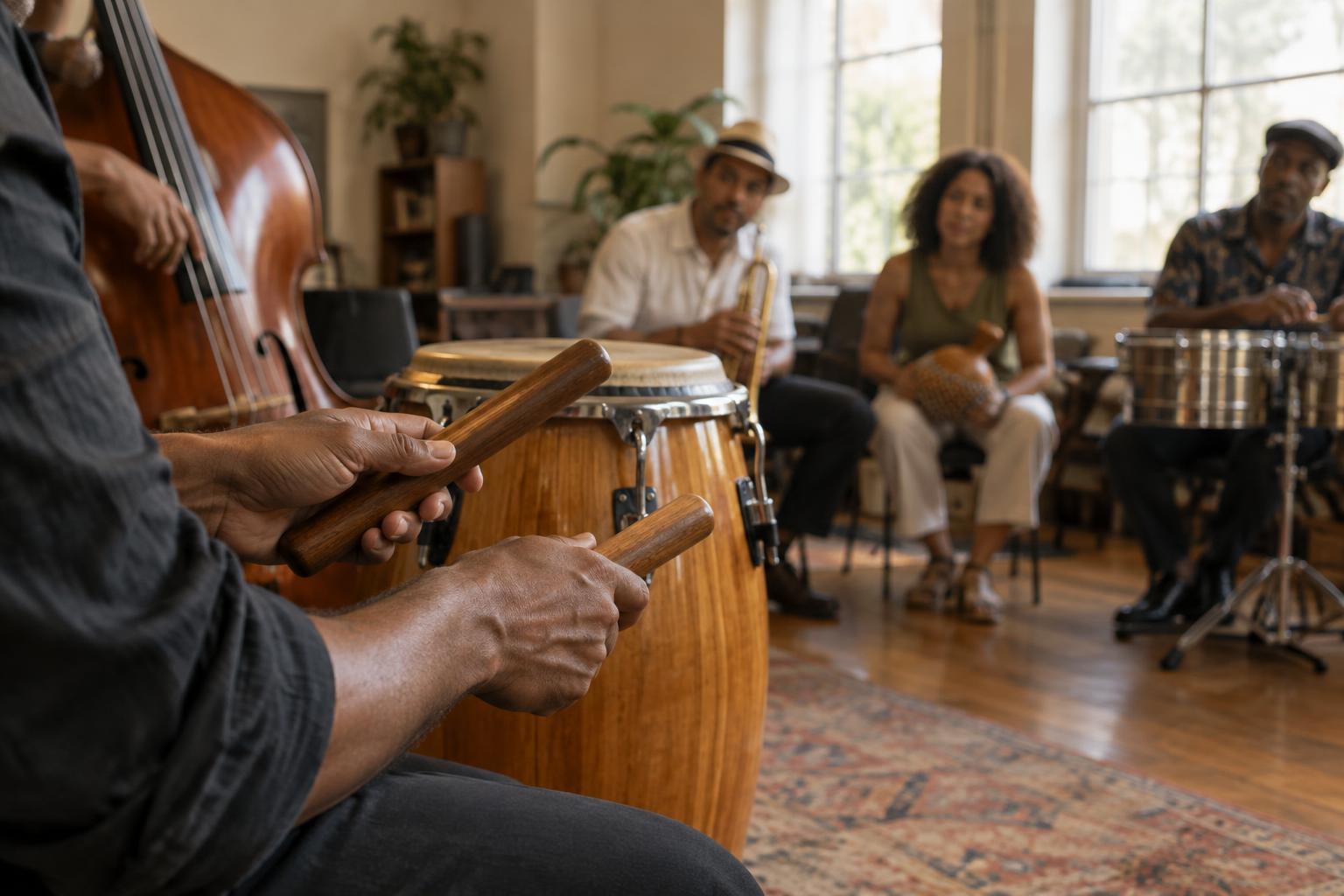
Listen for repetition first. If a short phrase returns at a predictable interval, it gives you a reference point even when few instruments are playing. Next, notice accents: which sounds seem to land with extra weight, and which lead into them? A soft shaker may supply continuous motion while a single drum, chord, or bass note marks a longer cycle. No one part has to explain the whole rhythm.
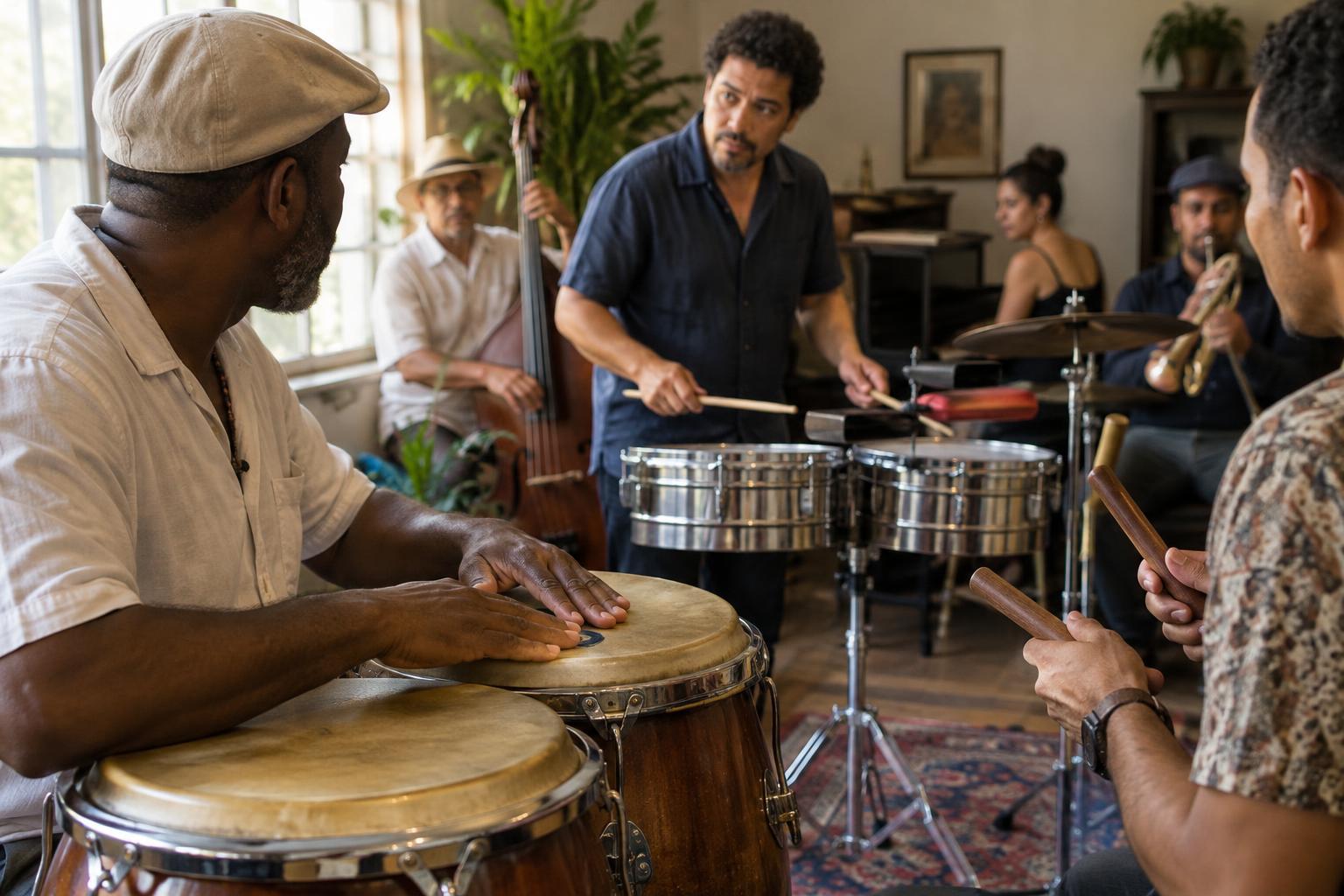
In Afro-Cuban music, an introduction may also begin to establish the relationship between phrases and clave, the organizing rhythmic pattern often understood as having two contrasting sides. The clave pattern itself need not be played aloud. A musician may imply an orientation through accents or phrasing. Avoid assuming you can identify that orientation from any one isolated note; listen across a complete phrase and pay attention to how the parts fit together when more of the ensemble arrives.
Silence matters too. A pause before an entrance can make the next beat feel especially clear, provided earlier sounds have prepared you to expect it. What seems like empty space may be where listeners are continuing the pulse for themselves.
The full entrance can confirm or reshape your expectation
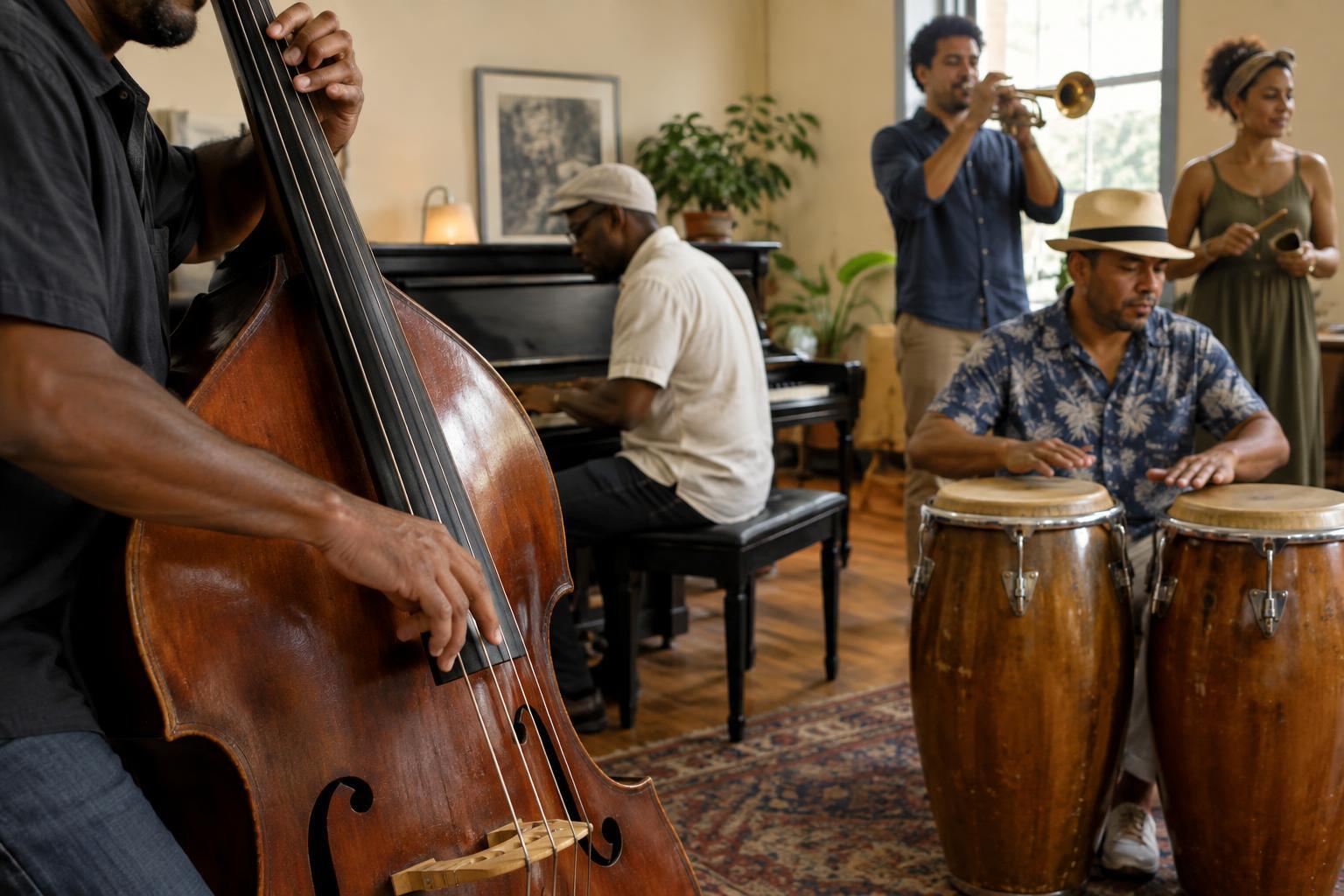
Arrangers can let instruments enter one at a time: perhaps a repeating figure begins alone, percussion adds subdivision, and bass supplies a stronger sense of where each cycle starts. By the time voices or horns arrive, the groove may feel familiar even though its full texture is new. A sudden entrance works differently. Several parts appear together, making a strong contrast with the opening and clarifying what the quieter material was preparing.
Sometimes the entrance changes how you hear the introduction. A note you took for a downbeat may turn out to have been a pickup; an accent that sounded like an ending may lead into the next phrase. Rather than treating your first hearing as a mistake, try holding both impressions in mind. This kind of shift can make an arrangement engaging because the pulse stays steady while your understanding of its placement becomes sharper.
A listening exercise: follow one clue at a time
Choose a recording with an introduction and a clear ensemble entrance. On the first listen, tap a comfortable, steady beat without trying to name every percussion sound. Note where you first feel confident about the pulse. On the second listen, follow only one part—perhaps bass, piano, bell, or voice—and notice what it repeats. Does your tapping align with its strongest sounds, or does that part seem to move around the beat?
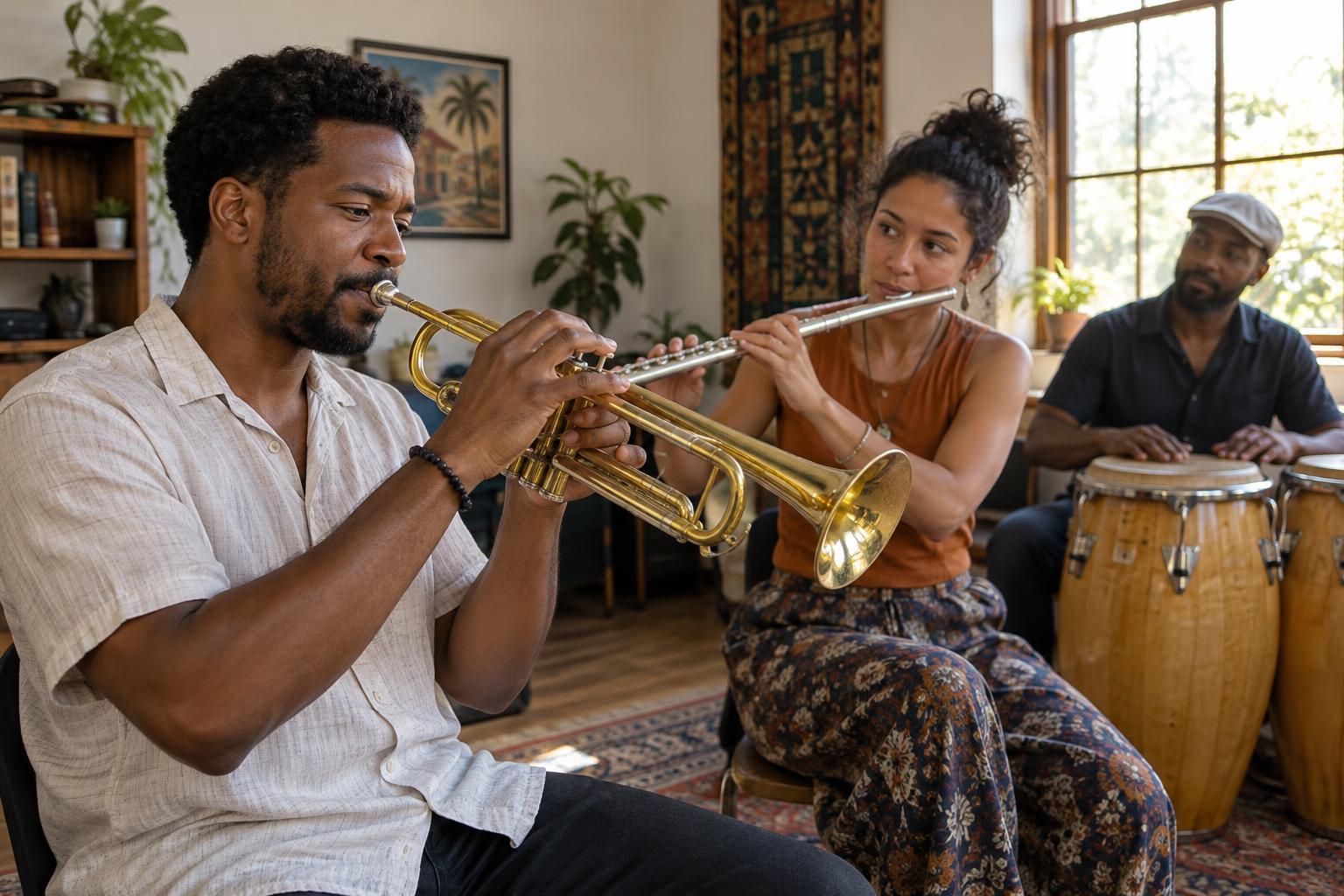
On a third listen, keep tapping through any pauses and across the ensemble entrance. If the entrance surprises you, replay the opening and try a different beat placement. You do not need to settle every ambiguity immediately. The goal is to hear how the introduction sets up an expectation and how the added parts support or revise it. For a practical variation, have a friend tap a steady beat while you play a short repeating figure, then switch roles and discuss what each of you heard as the starting point.
What a good introduction leaves you ready to hear
An effective introduction prepares attention as well as time. It can reveal the tempo, suggest a phrase length, introduce a rhythmic relationship, or offer a sound that returns later in the arrangement. Its job is not always to make every detail obvious. Especially in music built from interlocking parts, the pleasure may lie in hearing a sparse opening become a shared groove.
When you listen to an ensemble entrance, ask what stayed constant and what became clearer. That question keeps the focus on the musicians’ relationships rather than on a single instrument presumed to carry all the rhythm. The opening may be brief, but it can teach your ear how to listen to everything that follows.